How to Not Be That Tourist in Barcelona
By Dorian · Updated October 18, 2026
Barcelona is happy to have you.
It just has a few house rules nobody prints on the ticket.
Break them and you pay a fine, miss a slot, or earn a quiet eye roll.
Follow them and you get a different city.
Here is how to be the visitor the city is glad to see.
1) Turning up at the Sagrada Família without a booked slot
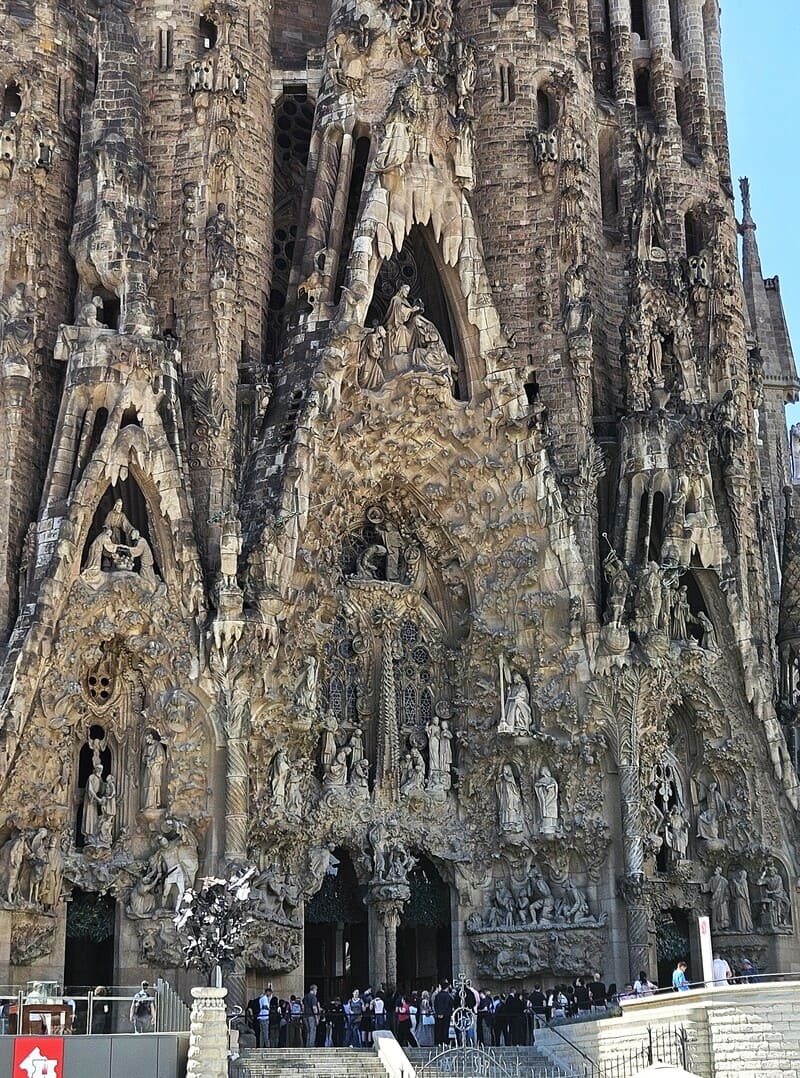
Gaudí’s basilica runs on timed entry.
Every ticket is sold online, and every ticket carries a name and a time slot.
Arrive late and you don’t get in.
Bring official photo ID. They ask for it at the door.
Booking opens about two months ahead, so there’s no reason to wait.
The QR codes around the basilica do sell tickets on the spot, but only what’s left that day.
The base ticket covers the basilica.
Higher tiers add a guided visit or a tower climb.
The general rule is no refunds and no exchanges.
If your plans change, you have to ask at least 48 hours before the visit.
Check the official Sagrada Família website for current availability and prices.
2) Wearing beach clothes in the city
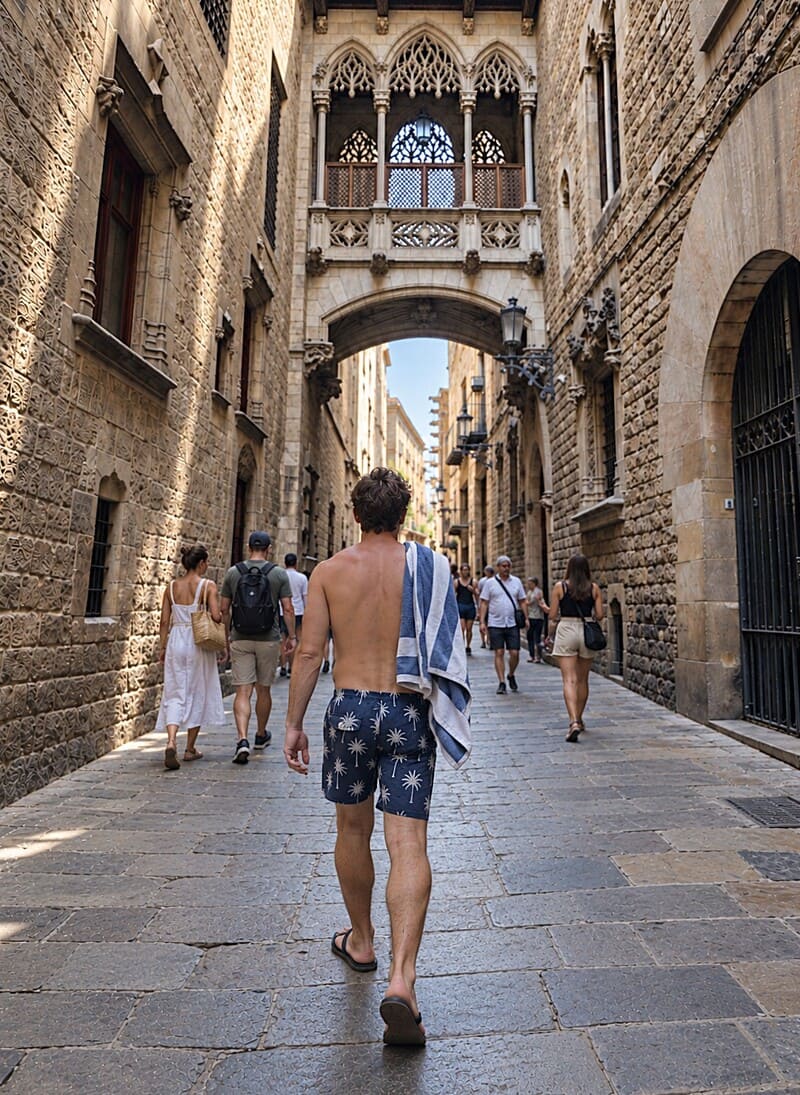
Swimwear belongs on the beach.
Walk around town in swimwear, or shirtless, and you can be fined.
The fine can reach €300.
The rule dates back to 2011, and the city’s civic ordinance, updated in February 2026, still covers it.
The beach, the promenade and the streets right next to the sea are fine.
The trap is the walk from the sand to lunch.
Keep a T-shirt or a cover-up in your beach bag, and put it on before you leave the beach.
3) Eating dinner at 6 pm
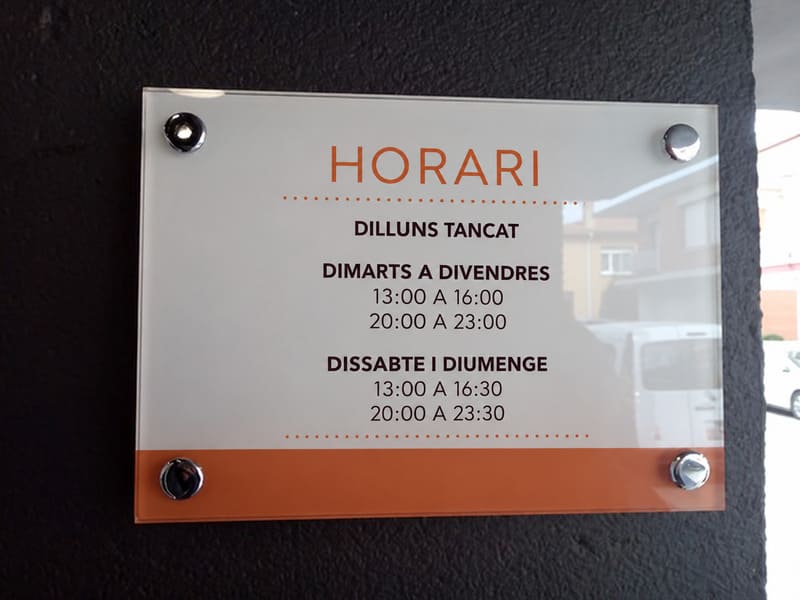
Lunch is the big meal here.
It usually starts between 1:30 and 3:30 pm.
Dinner comes later, from about 8:30 to 10:30 pm.
The city’s official visitor guide describes the same rhythm: lunch around 2 pm, dinner from 9 pm.
In between, many kitchens close.
Show up at 6 pm and you may find a locked door.
Make lunch your main meal instead.
Many restaurants offer a fixed-price lunch menu on weekdays, and it’s an affordable way to eat well.
Have a small snack mid-afternoon, then book dinner for later.
4) Ordering paella on La Rambla
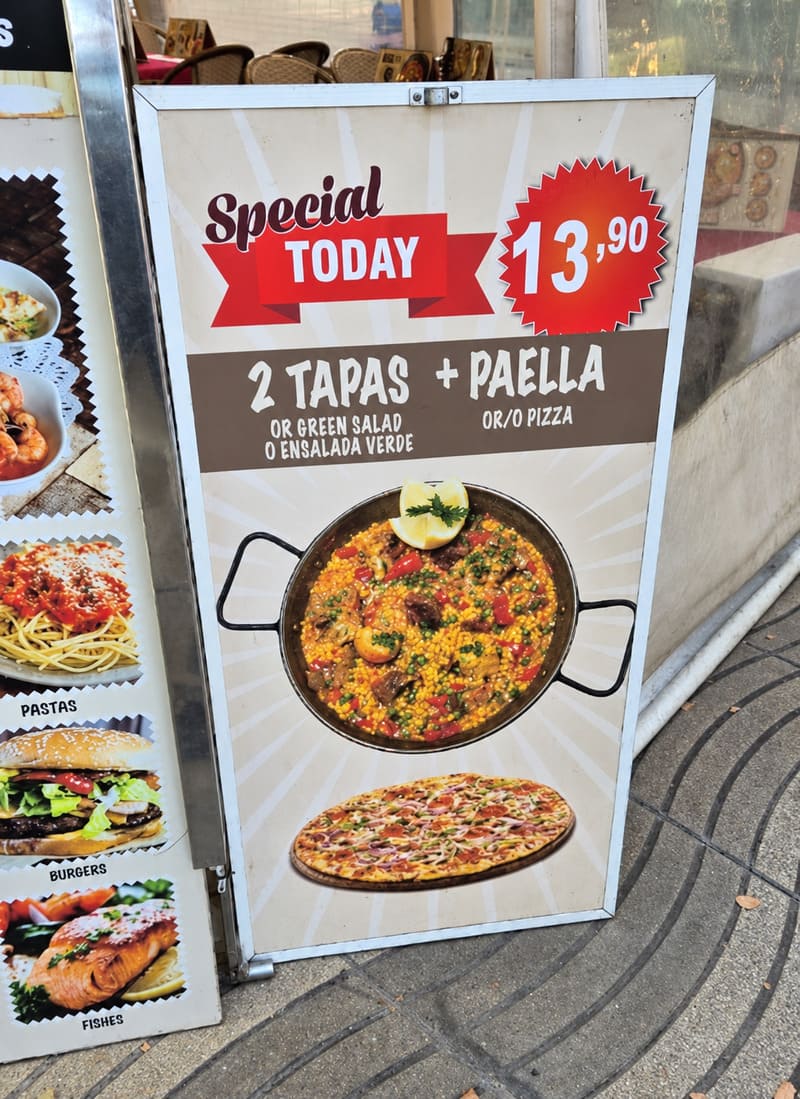
Paella is not a Barcelona dish.
It comes from Valencia, about three hours south.
The traditional version uses rabbit, chicken and beans, not seafood.
Barcelona has its own rice dishes.
Look for fideuà, made with short noodles instead of rice.
Or try arròs negre, rice cooked in squid ink.
Photo menus are the first warning sign.
A tout at the door is the second.
Paella sitting under heat lamps is the third.
Walk a few streets away from La Rambla and the odds improve fast.
Neighborhood spots in Gràcia, Sant Antoni and the backstreets of El Born are a better bet.
I keep a list of places that still do it right: where paella is still done right in Barcelona.
5) Dressing wrong for the Sagrada Família
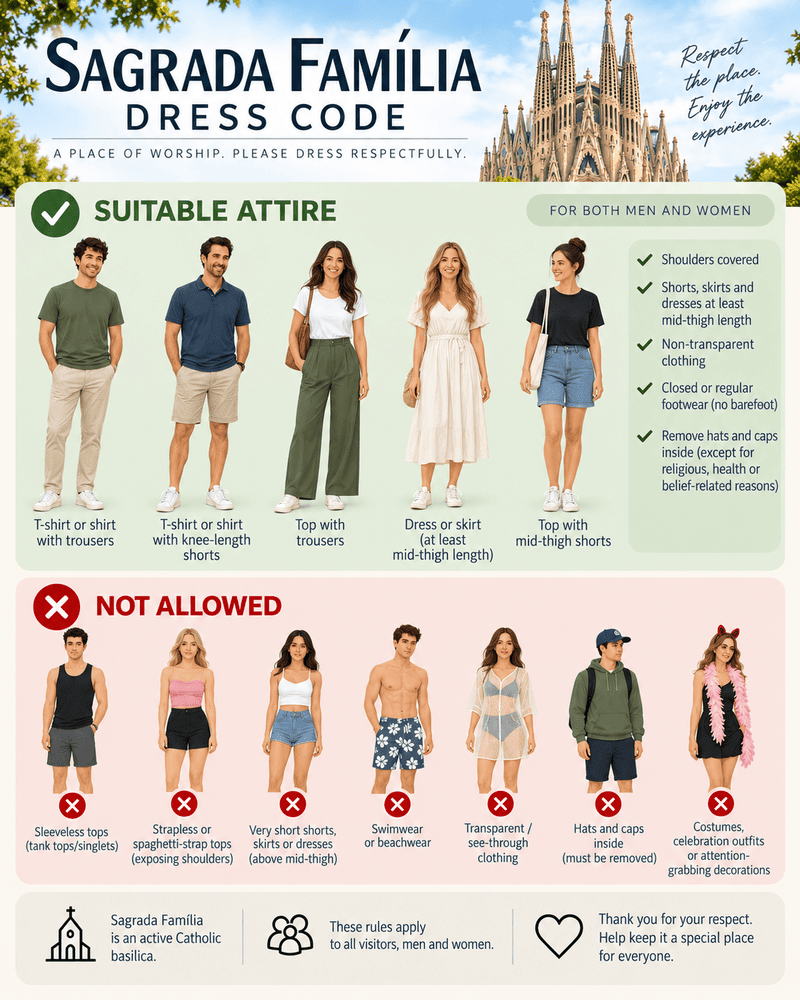
The Sagrada Família is a working Catholic church.
The dress code is enforced at the entrance.
You’ll read “shoulders and knees” on a lot of websites.
The basilica’s own FAQ says something different:
- No see-through clothing.
- Trousers and skirts must reach at least mid-thigh.
- No swimwear, and no festival costumes or attention-drawing decorations.
- No hats inside the nave or the museum, except for religious, health or belief reasons.
- Bare shoulders are not allowed in the Chapel of the Holy Sacrament.
Bags are checked at the door.
Food and drinks stay outside.
Since February 2026, there is also an early morning quiet hour.
Audioguides and phones need earphones, and visitors are asked to stay quiet.
Check the official site for the current time.
A light scarf in your bag solves the chapel rule in seconds.
6) Skipping the hotel
My advice is simple: favor a hotel over an apartment rental.
Locals have their reasons.
In the city’s own 2024 survey, 63.7% of residents said tourist accommodation causes significant or considerable disruption in their neighborhood.
Some tourist flats are licensed.
Some are not.
The city says it detects about 300 illegal listings a month.
Even the legal ones have an expiry date.
Barcelona hasn’t issued a new tourist flat licence since 2014, and the licences for about 10,000 existing flats are set to expire by 2028.
Still want an apartment? Check it first.
- Find the registration number in the listing. On Airbnb it sits under “Registration details” and usually starts with HUTB.
- No number? Don’t book it.
- Look the flat up on the city’s flat checker and make sure the address matches.
- After booking, ask the host for the number again. A legal flat must show it on a sign at the property, and must give you a 24-hour contact number.
If the city closes a flat while guests are inside, it says it will find them somewhere else to stay at no charge.
You’d still rather not find out.
7) Stopping dead in the metro
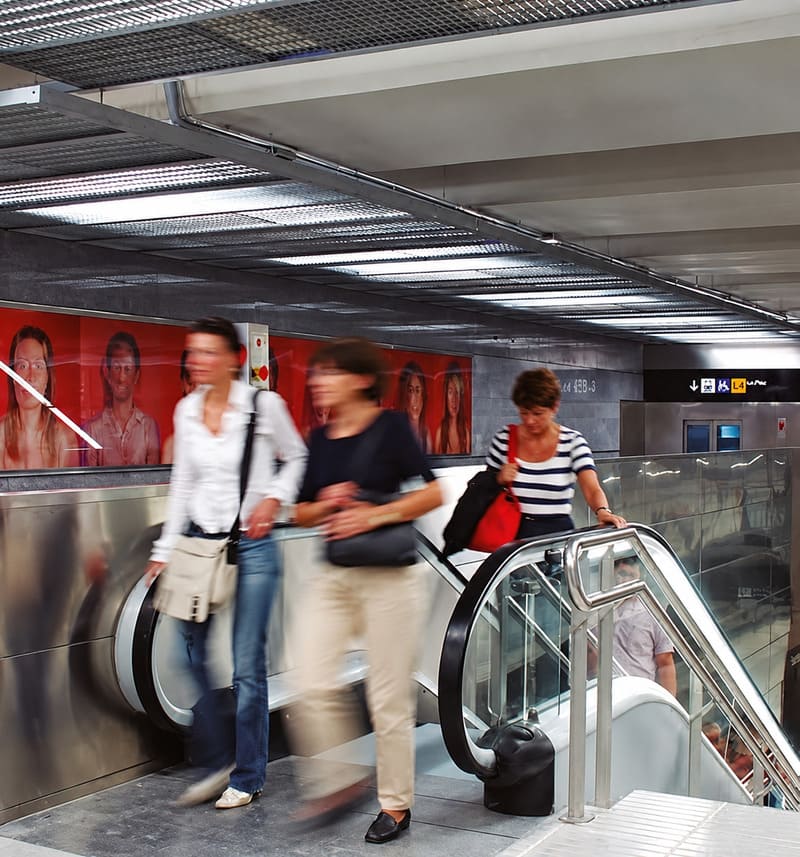
Barcelona’s metro runs on a few simple habits.
On escalators, stand on the right, unless you’re travelling with small children.
TMB, the metro operator, says so in its own user guide.
Let people get off before you get on.
Don’t try to board once the warning signal sounds.
Need to check your map? Step to the side first.
On escalators, keep your feet away from the edges of the steps.
TMB advises against flip-flops on them.
It also warns about long scarves, long dresses and big bags, which can get caught.
Each car has four reserved seats for older people, pregnant passengers and anyone with reduced mobility.
Leave those for the people they’re meant for.
8) Shopping at the front stalls of La Boqueria
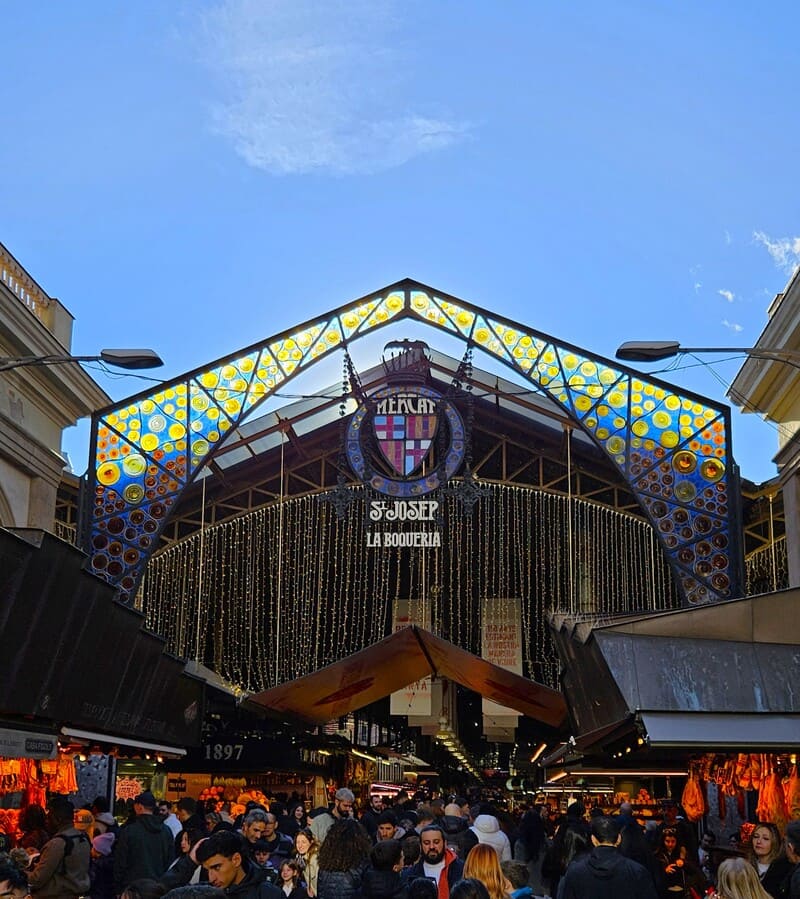
La Boqueria is a real market, and it’s also one of the most crowded spots in the city.
The stalls closest to La Rambla charge for the view.
Some of the food costs about double what you’d pay at the city’s other markets.
Pre-cut fruit is the classic example.
Go deeper into the market instead.
The fruit and vegetable stalls in the small square on the Carme side have lower prices and fewer people.
Go early, when vendors are setting up and neighbors are doing their shopping.
And buy something. The market depends on it.
The city knows it’s crowded.
It lists La Boqueria among its most saturated spaces, and has said it plans to use real-time data to tell visitors when to come back later.
9) Being loud on the walk home at night
Barcelona eats late, so the streets stay busy late.
Those streets are also where people live.
The city’s own campaign for visitors says residents deserve a good night’s sleep.
Its visitor guide asks you to keep noise down at night, especially in residential areas.
That includes the walk back from dinner.
Lower your voice once you leave the terrace.
Staying in a flat? No loud music, and no impromptu gatherings.
The top noise fines go as high as €3,000 in nightlife-heavy streets.
10) Walking into a shop in silence
Locals greet when they come in.
They say goodbye when they leave.
That goes for small shops, cafés and even elevators.
You don’t need to speak Spanish or Catalan for it.
Hola works at any hour.
Bon dia (good morning) is the Catalan version, and it’s a nice touch.
Buenos días is the Spanish one.
Add a gràcies (thank you) on the way out.
It takes two seconds and costs nothing.
11) Asking where to see a bullfight
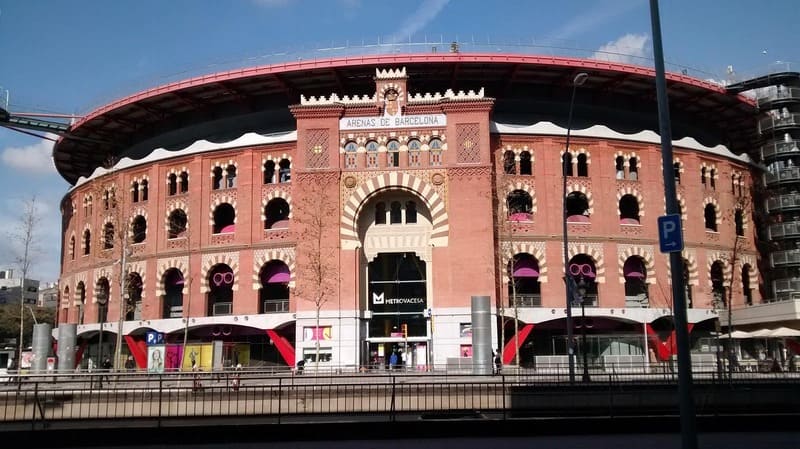
Barcelona’s last bullfight took place on September 25, 2011.
It was at La Monumental, a ring built for around 20,000 spectators.
That final day was a sold-out farewell.
Bullfighting had been fading for decades.
La Monumental was the last working ring in Catalonia.
If you came for one, you’re about fifteen years late.
Ask about something that still exists instead.
12) Calling the city Barça
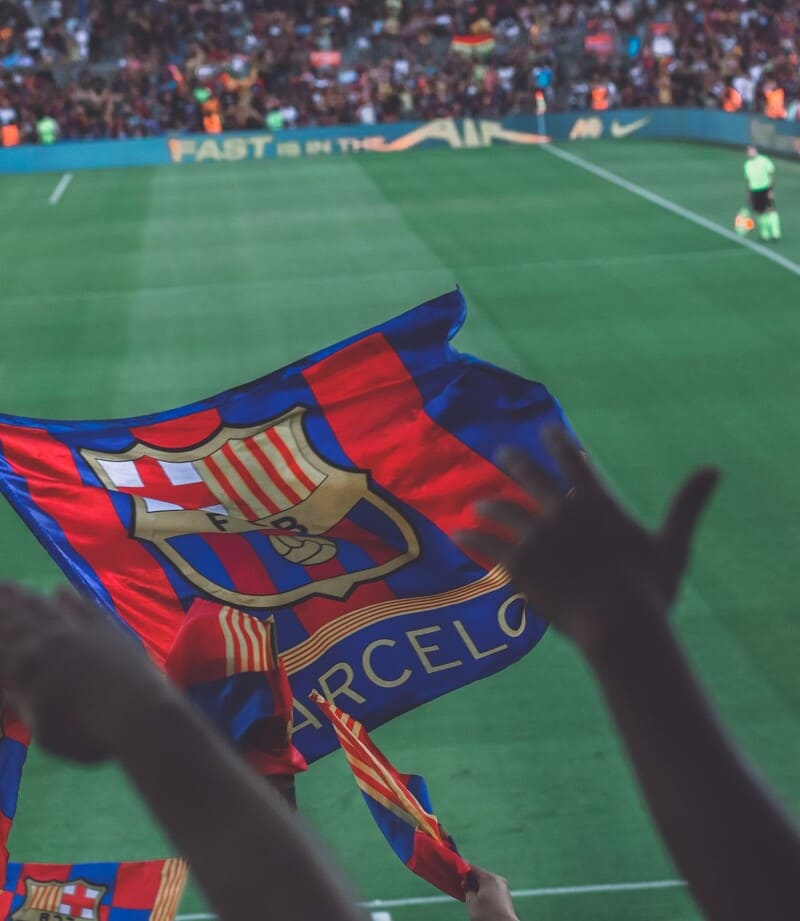
Barça is the football club.
The city is Barcelona.
Locals shorten it to Barna.
Calling the city Barça is like calling Paris PSG.
The club’s name is pronounced BAR-sa.
The ç is a badge of pride for Catalan speakers.
You’ll rarely hear a local call the city Barça.
13) Ordering sangria instead of a vermut
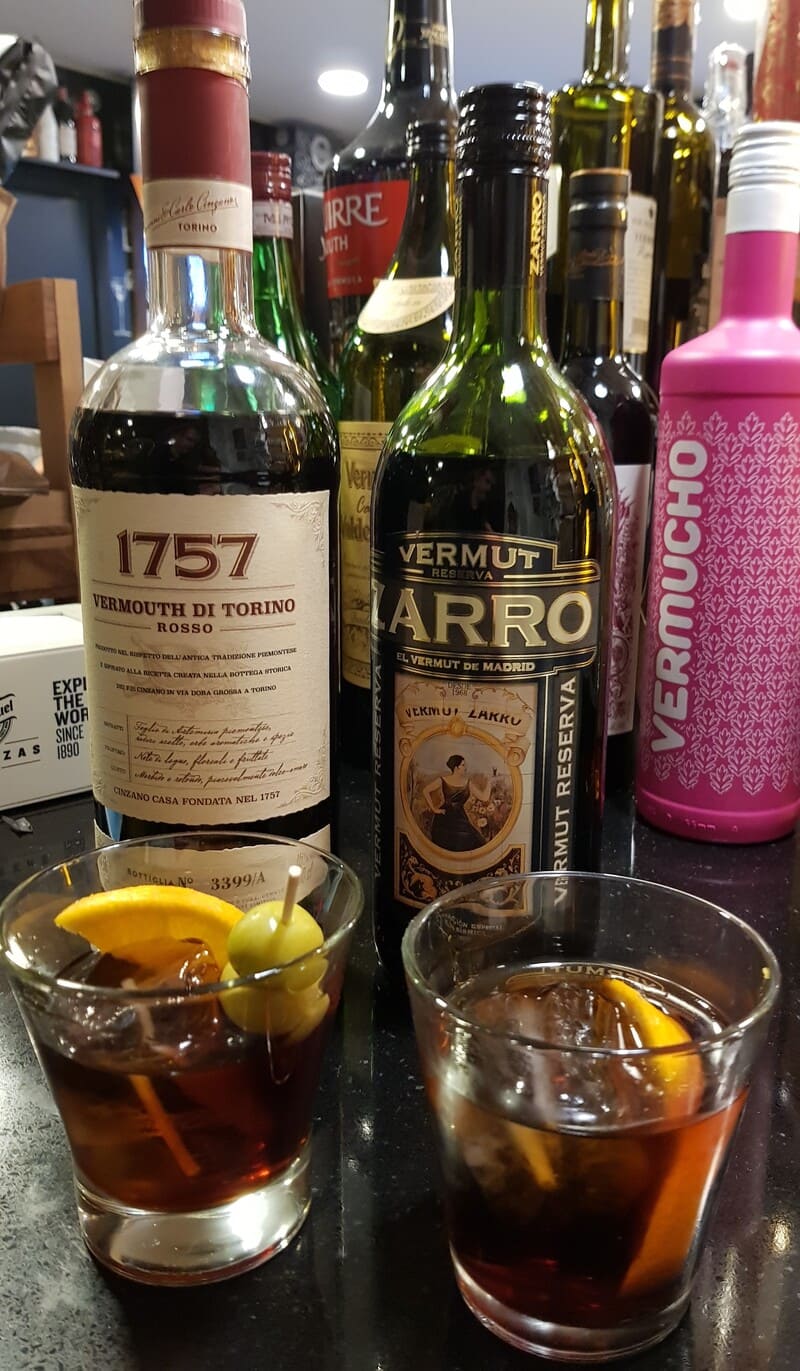
Sangria is more of a visitor’s order.
The local ritual is la hora del vermut, the vermouth hour.
It happens before lunch, and it’s a weekend favorite.
The tradition faded in the 1970s and 80s, and it has come back in full force.
The drink is simple: red vermouth over ice, with an orange slice and an olive.
Small bites come with it, like olives, anchovies and tinned seafood.
Some bars serve it on tap.
Catalans even have a phrase for it.
Fer el vermut means going out for a vermouth, and it covers the whole ritual of catching up with friends.
Order one around lunchtime and you’re doing what the city does.
Where to go next
Good manners are half of a smooth trip.
The other half is planning, and that’s where most visitors lose time and money.
I wrote about the mistakes that cost people the most early on: tickets, where to sleep, the tourist tax, even the tap water.
It picks up right where this list stops: the mistakes to avoid in your first three days in Barcelona.
And if you want to understand why the city works the way it does, read this one too.
It covers why August is so quiet, why the Eixample corners are cut, and what the sardana is.
It’s the context that makes the rules here make sense: the things no one tells you about visiting Barcelona.