12 Things No One Tells You About Visiting Barcelona
By Dorian · Updated October 7, 2026
Barcelona is easy to love.
It’s also easy to get slightly wrong.
Here’s what I’d quietly tell you before you land, so the city shows you its best side from day one.
1) The Sagrada Família sells out weeks in advance, not days
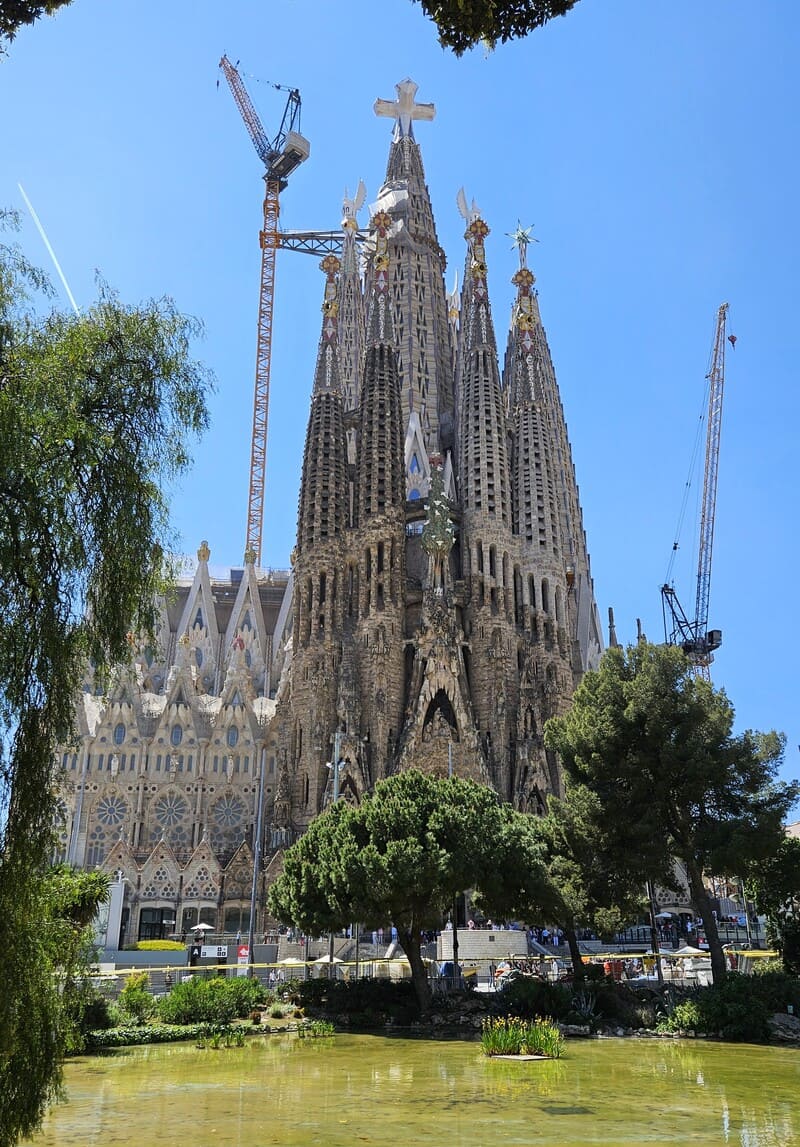
There is no ticket window at the Sagrada Família.
Every visit is a timed slot, booked online.
In peak season, the standard ticket can be gone two to four weeks ahead. And 2026, the centenary of Gaudí’s death, has pushed demand even higher.
The tower add-on is the hardest ticket to get.
Each lift only carries a small group, so tower slots are the first thing to disappear on any given day.
The official booking calendar opens about two months ahead.
My rule is simple. The day you book your flight is the day you book your entry.
The base ticket covers the basilica with an audio guide. Tower access is an upgrade on top of that. Check the official website for current prices and availability.
2) Park Güell has two very different zones
Most visitors think Park Güell is one big paid attraction.
It isn’t.
The famous part is the Monumental Zone. That’s the mosaic dragon staircase, the Hypostyle Room and the long serpentine bench. It needs a timed ticket, and entry is capped at around 1,400 visitors per hour.
Around it sits a wooded area with stone viaducts and pine trees.
That woodland is free, with no time slot. But the ticketed zone has its own entrances, and they check tickets, including some of the quieter ones uphill.
If you want to stay in the free part, follow the woodland paths and don’t cross into the monument area.
Most people only find this out once they’re already standing at the entrance.
One honest warning. The free area climbs uphill, and the paths get steep toward the top of the hill. Wear good shoes and take your time.
For current Monumental Zone ticket options, go to the official Park Güell website.
3) Locals eat dinner at 9pm, and that is not a rumor
Dinner here starts late. Really late.
Many neighborhood restaurants don’t open for dinner until 8pm or 8:30pm. Locals usually sit down around 9pm, and often later.
Places that open at 6:30 or 7pm do exist.
But they tend to be the tourist-facing ones.
Show up at 7pm and you’ll likely be eating next to other visitors while the room is still half empty.
The fix is easy. Have a few tapas and a drink around 7, then go to dinner closer to 9. That’s exactly how the city does it.
4) You are not expected to tip
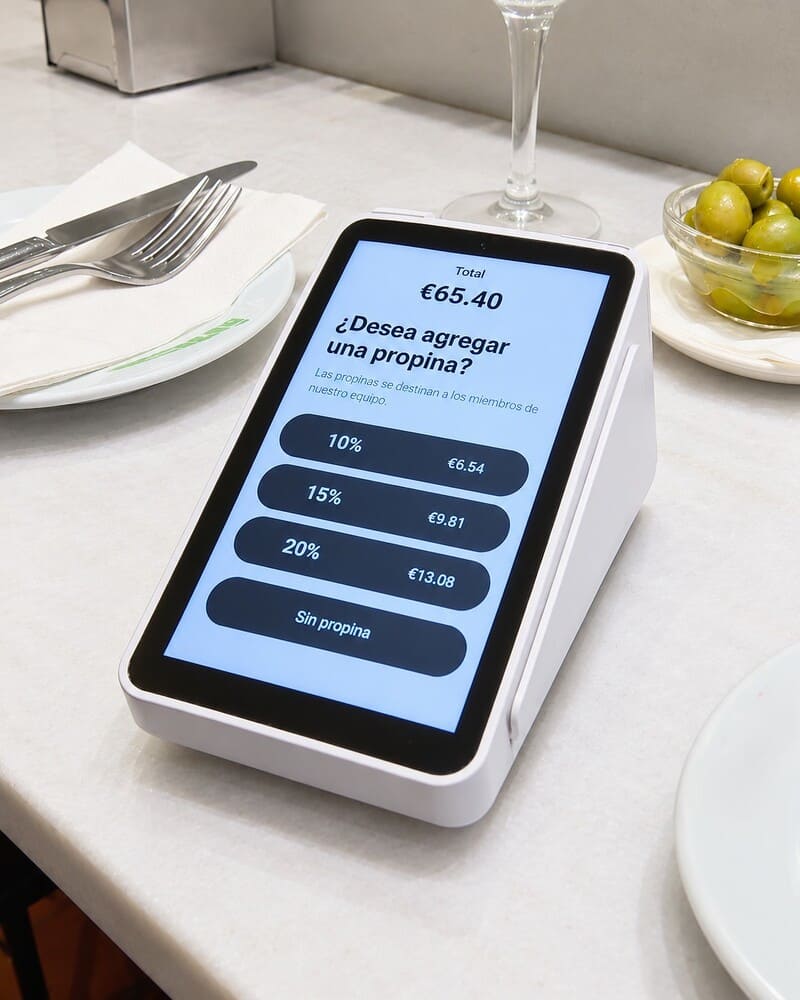
Tipping in Barcelona is optional. Truly optional.
Most locals round up the bill or leave a few coins. Many leave nothing at all.
Here’s the new twist.
Some cafés and restaurants now have payment screens that suggest a tip, sometimes with surprisingly high preset amounts.
You can simply press “sin propina”, which means “no tip.”
Nobody will think twice about it.
If the service was great and you want to say thank you, a couple of euros in cash is more than enough.
5) La Rambla is a trap
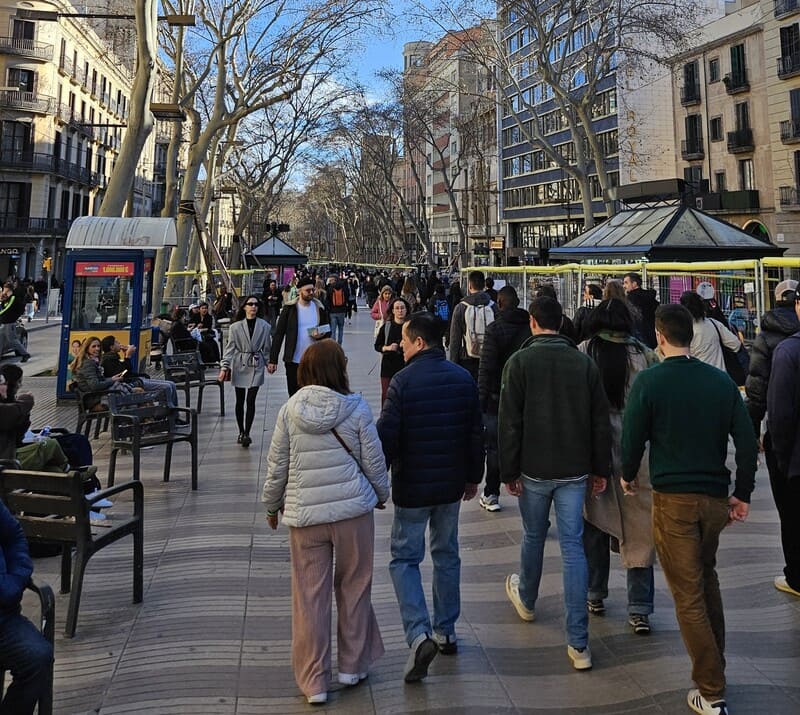
La Rambla is famous. It’s also the one street most locals avoid.
The restaurants along it are overpriced. The crowds are dense.
And the pickpockets are very much at work, especially around the busiest stretches.
Walk it once for the experience. Keep your bag zipped and your phone out of your back pocket.
Then spend your time somewhere else. El Born, Gràcia and the quieter streets of the Gothic Quarter will give you far more for your evening.
6) Catalonia is not just another Spanish region
This is not a political statement. It’s context.
Barcelona is the capital of Catalonia, a part of Spain with its own language, its own parliament and a history that goes back more than a thousand years.
Spain’s constitution calls Catalonia a “nationality.” Many Catalans go further and call it a nation.
You don’t need an opinion on any of it.
Just treat Catalan culture as its own culture, not as a local version of Spanish culture.
Once you see the city that way, a lot of what you notice here will suddenly make sense.
7) Speaking Catalan gets you smiles
Street signs, menus and metro announcements here are often in Catalan first.
Spanish is spoken by practically everyone, so you’ll never be stuck.
But try this.
Walk into a shop and say “bon dia” (good morning) instead of “buenos días.” When you leave, say “gràcies” (thank you).
That’s it. Two words.
The energy in the room changes immediately. Catalans notice every single time.
8) Flamenco is not from here
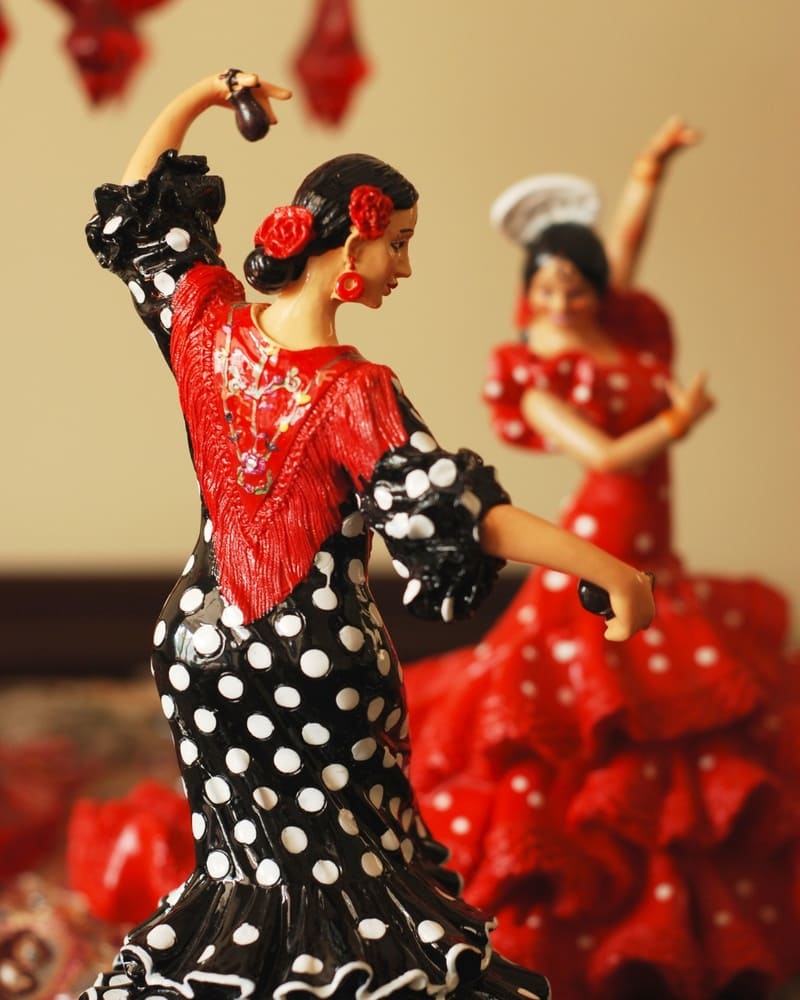
Flamenco comes from Andalusia, at the opposite end of Spain.
Showing up in Barcelona asking for flamenco is a bit like going to Brittany and asking for Provençal food. Right country, wrong region.
You’ll still find flamenco shows in Barcelona. They’re mostly aimed at visitors.
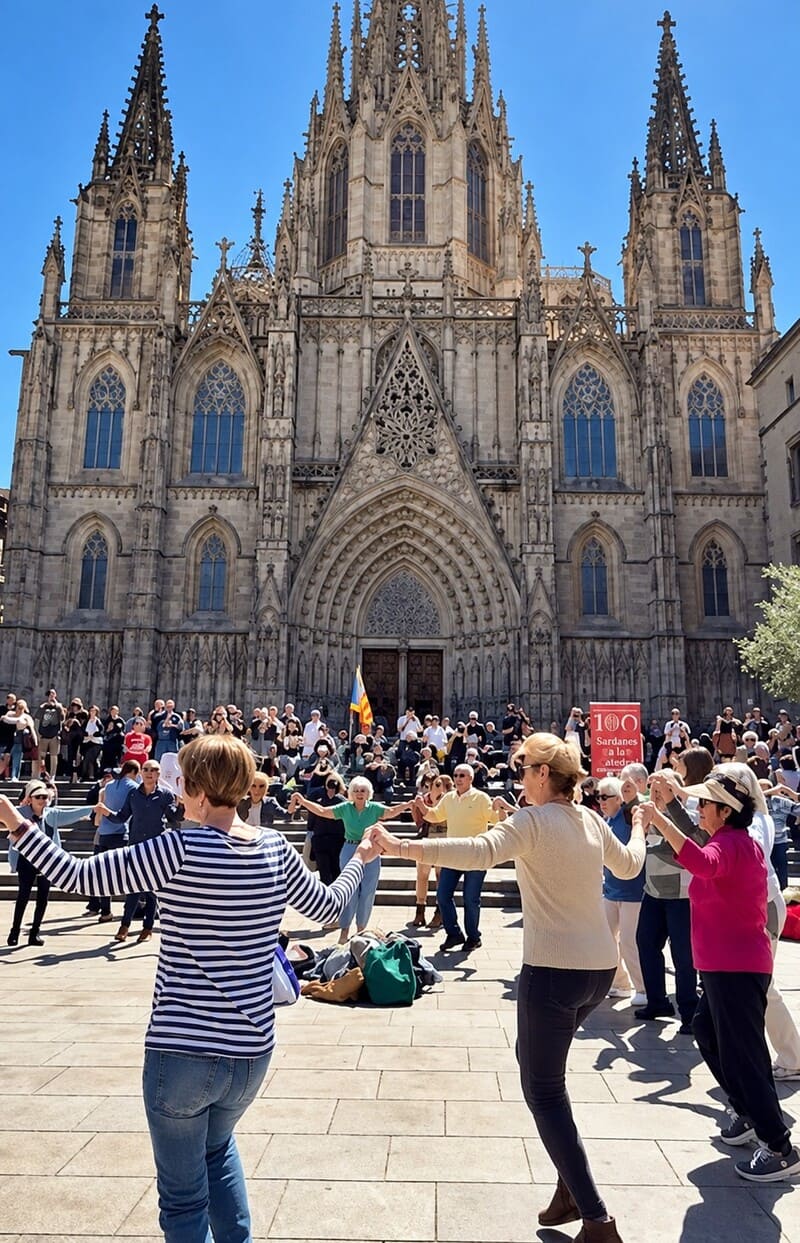
The local tradition is the sardana.
It’s a circle dance. People of all ages join hands and move in careful, precise steps to live music from a small band called a cobla.
It’s deeply tied to Catalan identity.
The classic place to see it is the square in front of Barcelona Cathedral on Sunday mornings. It’s less regular than it used to be, so don’t build your whole day around it. During the La Mercè festival in late September, though, you’re almost guaranteed to see it.
And anyone can join the circle.
9) Museums have built-in free days
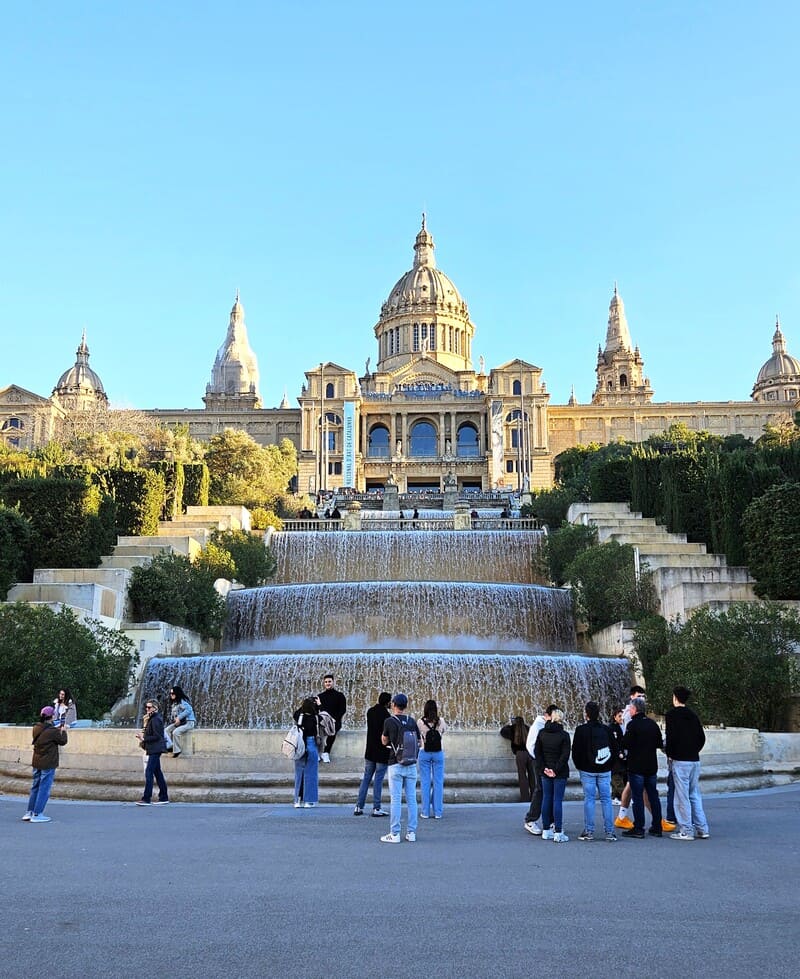
Many of Barcelona’s best museums are free on the first Sunday of every month.
That includes the Picasso Museum, the MNAC (Catalonia’s national art museum) and several others.
Some museums also have regular free slots during the week, usually in the late afternoon or evening.
There’s a catch.
For most of them, you still need to book your free ticket online in advance. Free slots go fast, and without a booking you won’t get in.
Check each museum’s official website a few days before you want to go.
10) The Eixample corners are cut on purpose
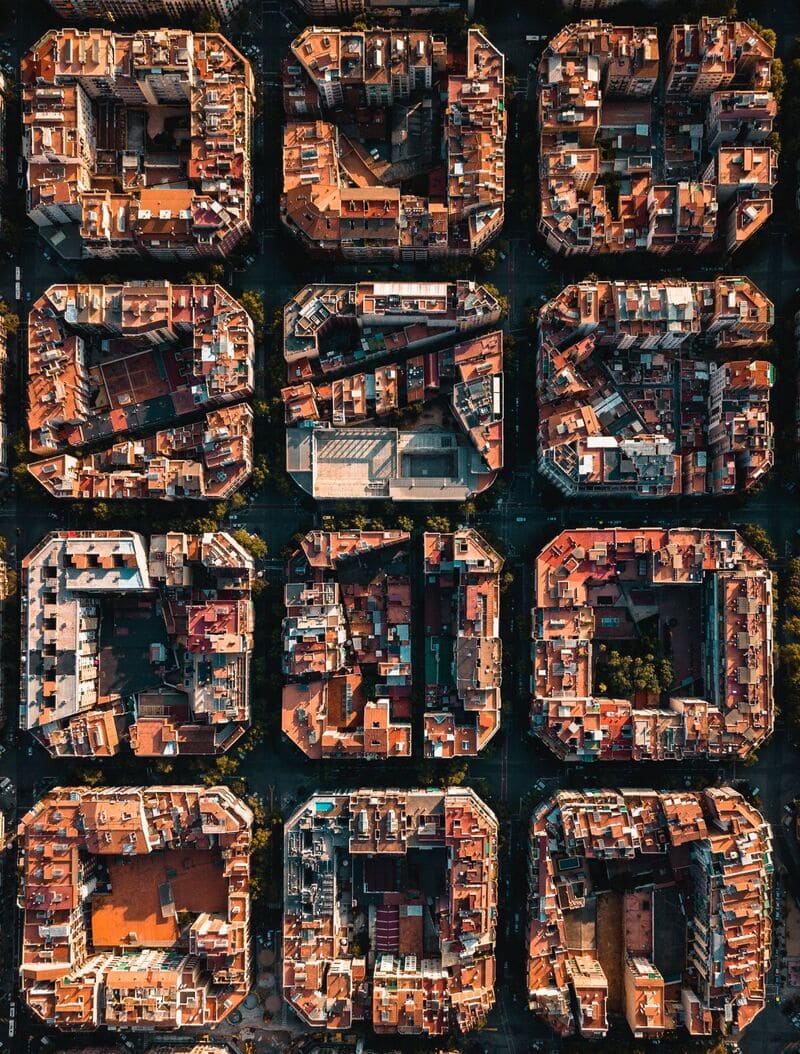
Look at any street corner in the Eixample district.
The buildings don’t meet at a sharp right angle. The corner is sliced off at 45 degrees.
That’s not an accident.
The engineer Ildefons Cerdà designed this grid in 1859. He cut every corner to let in more light and air, give drivers better visibility at intersections, and make turning easier.
The result is a small open square at nearly every crossing.
You’ll walk past this decision hundreds of times a day. Now you’ll notice it every time.
11) Your swimsuit stops at the sand
On the beach, anything goes.
Off the beach, it’s a different story.
Walking around the city in a swimsuit, a bikini or shirtless is against Barcelona’s civic rules. You can be fined for it.
That includes walking into shops, cafés and restaurants in beachwear.
Pack a light cover-up or a T-shirt in your beach bag, and put it on before you leave the sand.
12) August is when locals disappear
Visit in August and you may notice something strange.
Your favorite little bakery is closed. So is the family restaurant around the corner.
Look for a handwritten sign on the door: “tancat per vacances.” Closed for holidays.
August is the traditional vacation month in Spain. Many small, family-run businesses close for two to four weeks.
The big sights stay open. The tourist areas keep going.
But the neighborhood Barcelona that locals love gets a lot quieter.
If you have the choice, late May, June or September give you warm weather with the whole city open.
Where to go next
Once you’ve got these sorted, you’ve already moved past the checklist version of Barcelona. The next step is finding the places that don’t show up on it. I’ve gathered the strangest and most surprising corners of the city in Barcelona’s quirkiest places, and it’s the perfect follow-up if the Eixample corners made you want to look at this city more closely.
And if La Rambla made you wonder what else might not live up to the hype, read this one before you finalize your plans. I wrote it to help you set the right expectations, so the city surprises you in the best way instead of the worst: why Barcelona will disappoint you (and how to make sure it doesn’t).