16 Things Every First-Timer MUST DO When Visiting Barcelona
By Dorian · Updated September 4, 2026
Barcelona rewards first-timers who know where to look. This isn’t a checklist of photo stops. It’s the walk I’d send a friend on: the buildings that explain Gaudí, the market that still feeds the neighborhood, and the corners the tour buses skip entirely.
1) Start with the Sagrada Família, and go inside
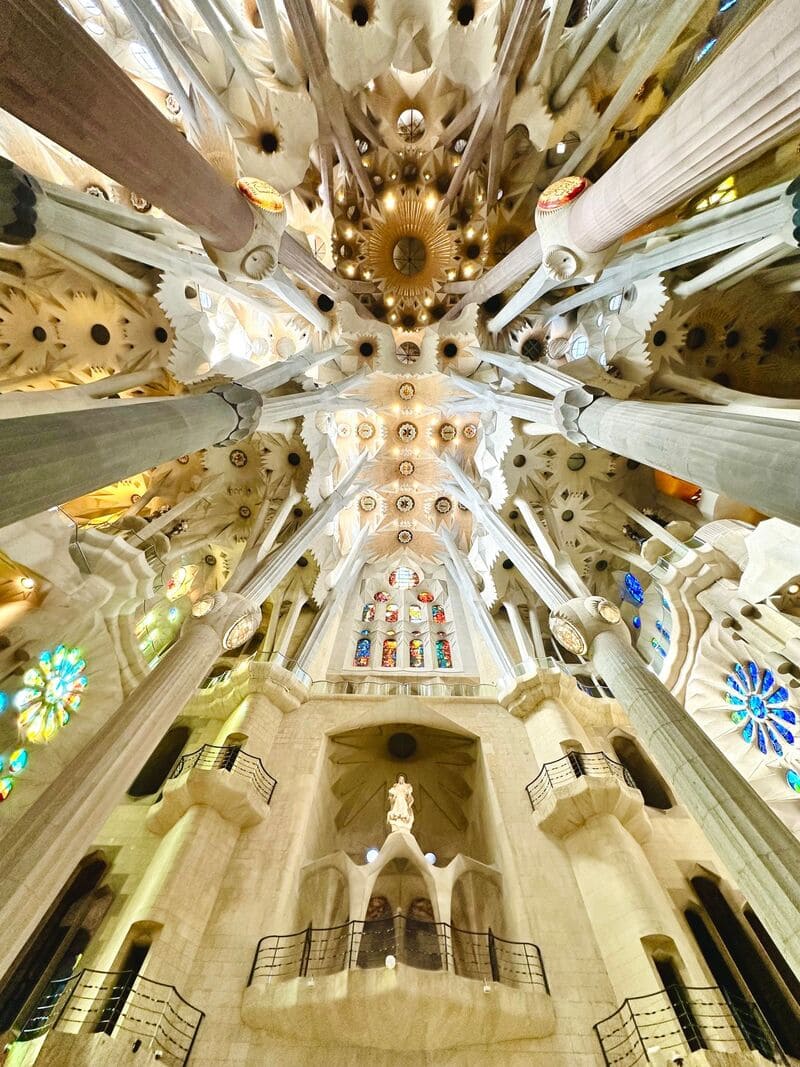
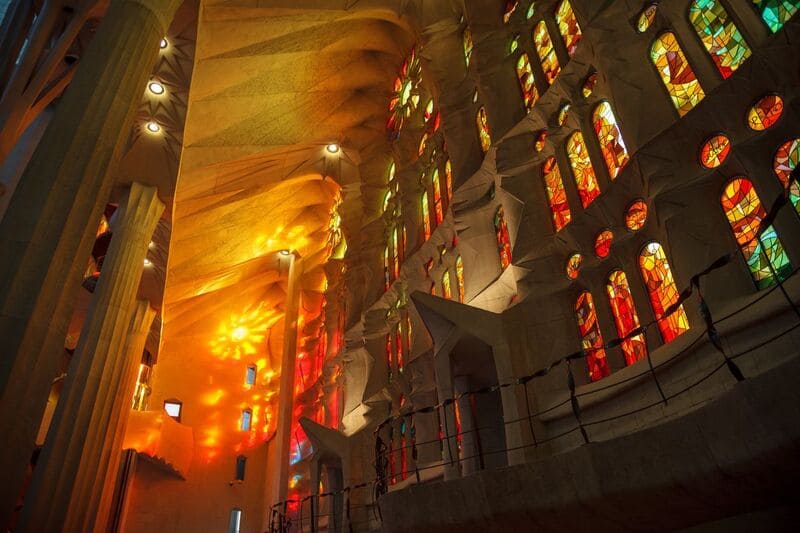
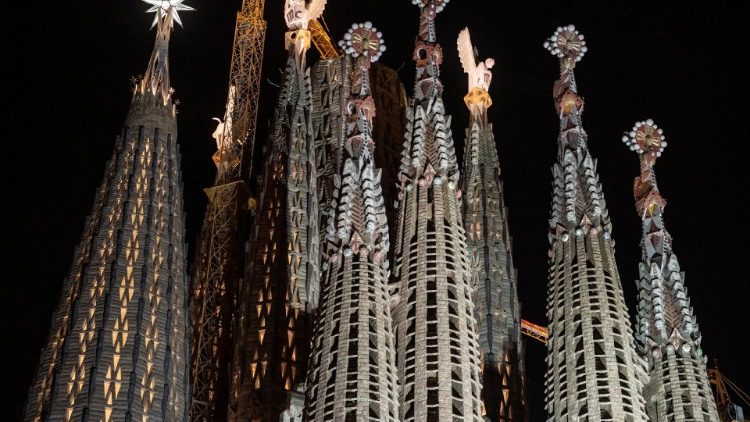
Most first-timers photograph it from the outside and move on. In 2026, that’s a mistake. Construction began in 1882, Antoni Gaudí took over the project a year later, and 144 years on, the central Tower of Jesus Christ reached its full height of 566 feet (172.5m) this past February, making the basilica the tallest church in the world.
This is also the centenary year of Gaudí’s death, marked on June 10th, so expect exhibitions and events tied to his life running throughout the year on top of the usual visit.
Skip the base-only ticket if you can. The next tier up adds a tower climb, which is where the scale of the thing actually lands. Check the official Sagrada Família site for current pricing and time slots, and book at least a few days ahead.
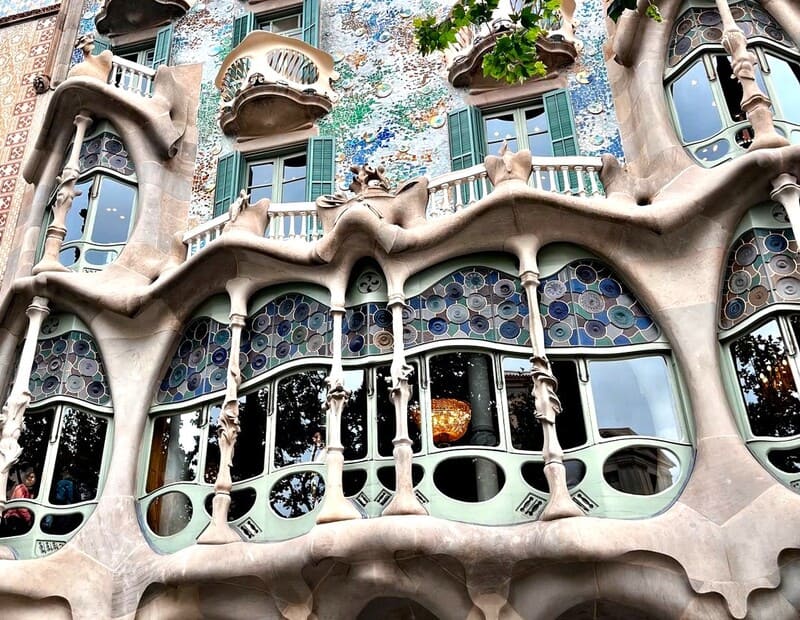
2) Walk Passeig de Gràcia and compare Casa Batlló to Casa Milà
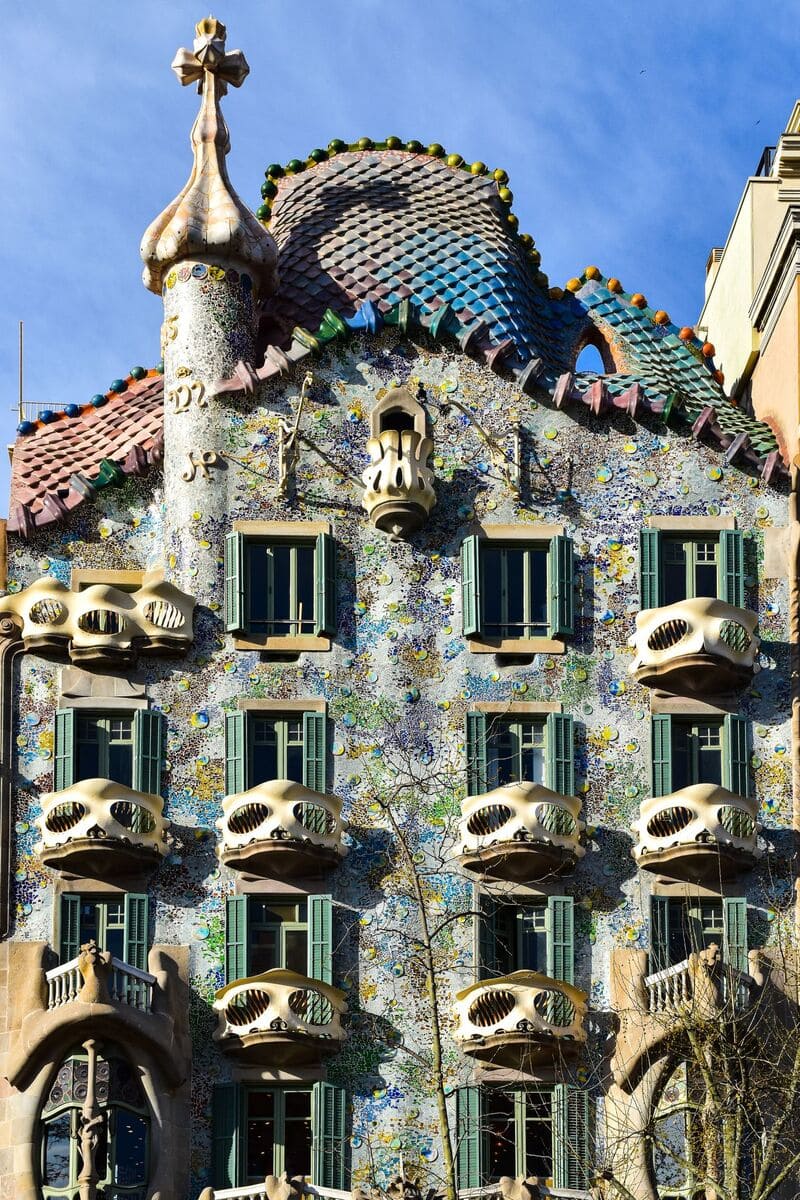
These two buildings sit a few blocks apart on the same street, and seeing them together tells you more about Gaudí than either one alone. Casa Batlló started as an ordinary 1877 building until textile magnate Josep Batlló hired Gaudí in 1904 to strip it down to almost nothing and rebuild the facade in bone-like columns and a dragon-back roof.
Casa Milà, better known as La Pedrera, came next: built between 1906 and 1912, it was Gaudí’s last private residence project, with a rippling stone facade and rooftop chimneys that look like helmeted soldiers.
Both are UNESCO-listed. You don’t need to go inside either to appreciate the facades from the street, but if you pick one interior to pay for, La Pedrera’s rooftop is the more dramatic of the two.
3) See Park Güell’s Monumental Zone in the morning
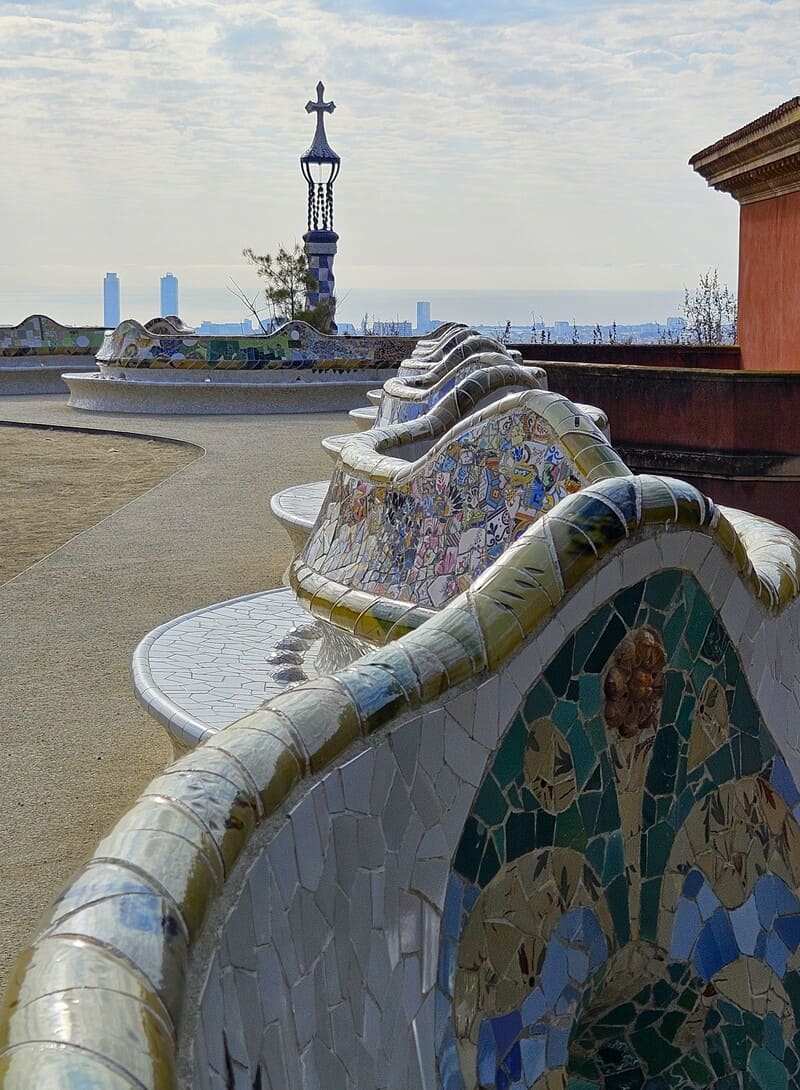
Park Güell has been a UNESCO World Heritage Site since 1984, and the paid Monumental Zone, the 12-hectare core with the mosaic lizard, the Hypostyle Room, and the serpentine bench, caps entry at 1,400 visitors per hour. Book your slot in advance through the official site; walk-up tickets are unreliable.
Arrive as close to opening as you can manage. The light is better for photos and the crowds are thinner.
One thing most guides skip: the surrounding forest area is free and open to everyone, no ticket required. If you only have time for a quick pass, the free zone’s viaducts are still worth the walk up the hill.
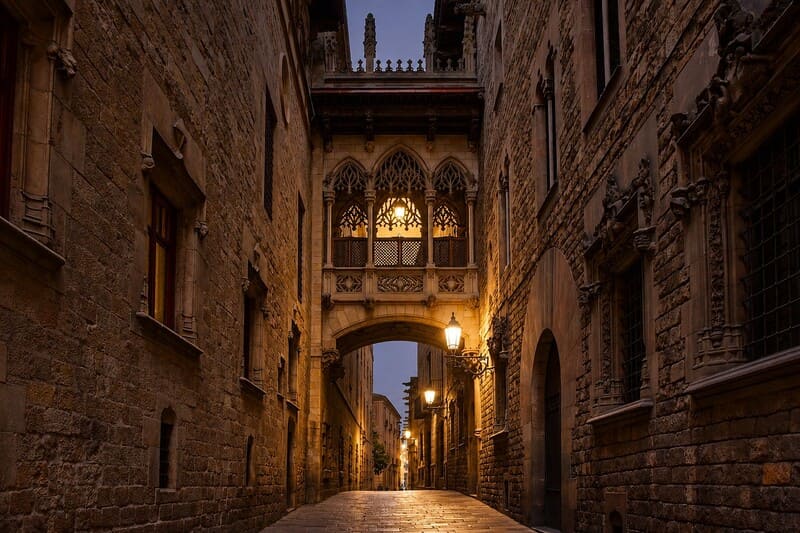
4) Get lost in the Barri Gòtic and step into the Cathedral
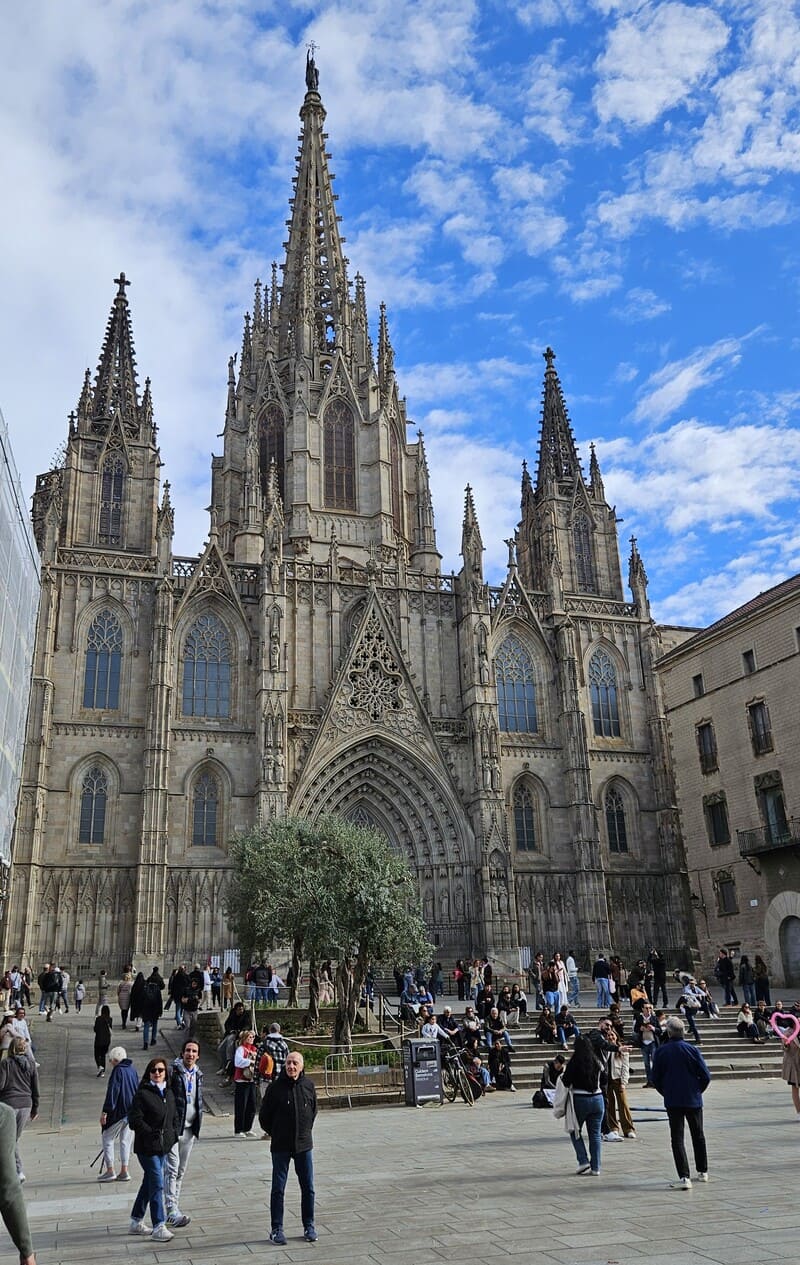
The Gothic Quarter’s streets weren’t planned. They grew up over the old Roman city of Barcino, which is why they twist and dead-end in ways that feel almost deliberate. Give yourself an hour with no destination.
Barcelona Cathedral, built mainly between the 13th and 15th centuries, sits at the heart of it. The main facade is actually a 19th-century addition, but the interior and cloister, with its resident geese, are original medieval work.
Entry is free during specific hours of the day; outside those windows there’s a small fee that includes access to the roof.
5) Eat your way through La Boqueria market
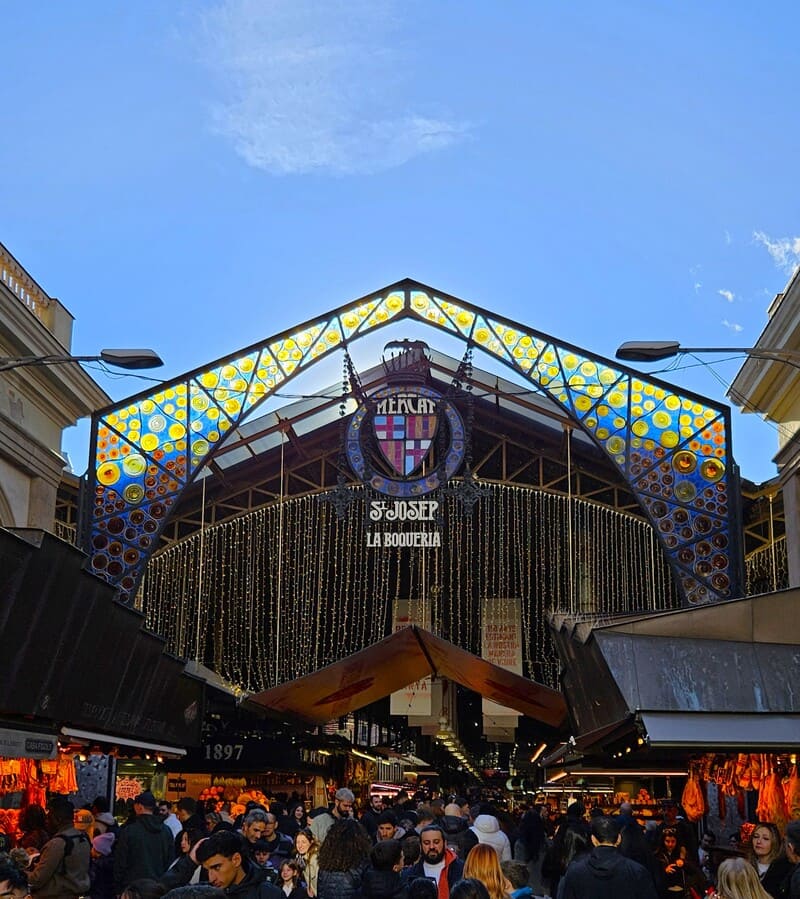
The market’s roots go back to 1217, when meat stalls set up near one of the old city gates on what’s now La Rambla. The building you see today, with its metal roof, dates to 1914.
The stalls right at the entrance are priced for tourists passing through. Walk deeper in, past the first few rows, and you’ll find the stalls locals actually shop at, with better prices and produce.
Go hungry. A few euros gets you fresh-squeezed juice, a cone of jamón, or a plate at one of the small bars tucked between the stalls.
6) Step inside Santa Maria del Mar, Barcelona’s most honest church
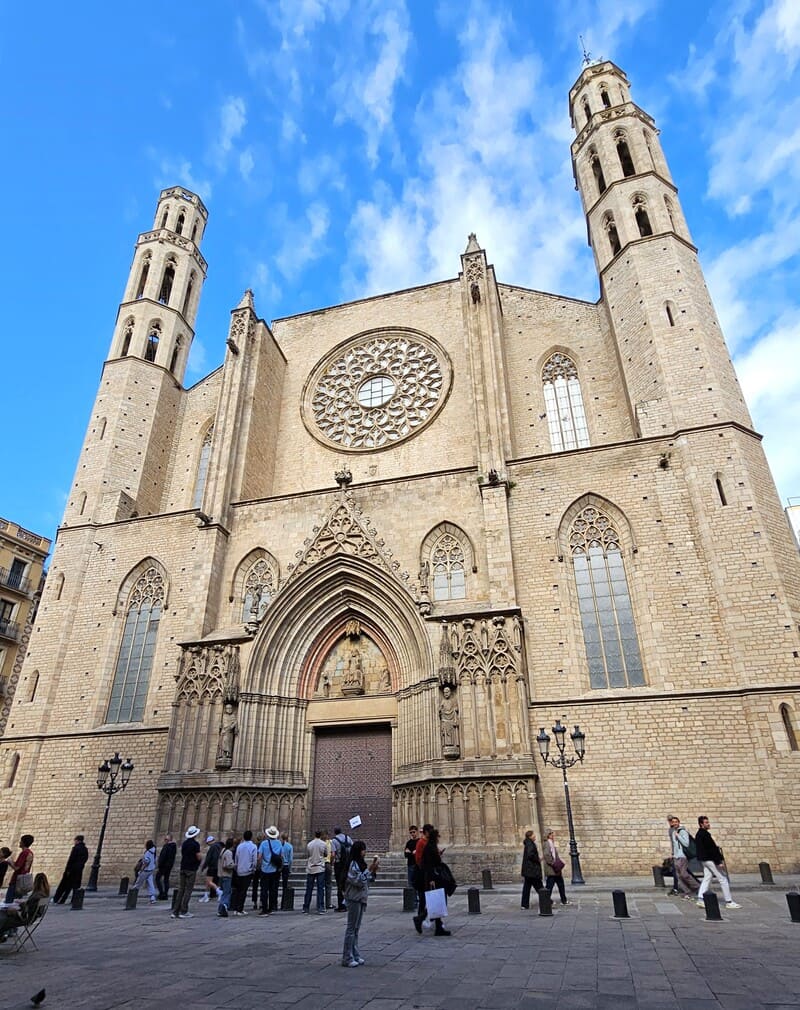
Where the Cathedral was funded by the king, Santa Maria del Mar was built between 1329 and 1383 by the sailors, dockworkers, and merchants of the neighborhood, who quarried and carried the stone themselves after their shifts.
The result is the purest example of Catalan Gothic architecture still standing: three naves of equal height, no side chapels crowding the view, almost no ornamentation.
Compare it to Barcelona Cathedral if you visit both in the same day. The contrast in who paid for what says a lot about the city’s history.
7) Take a tour or catch a concert at the Palau de la Música Catalana
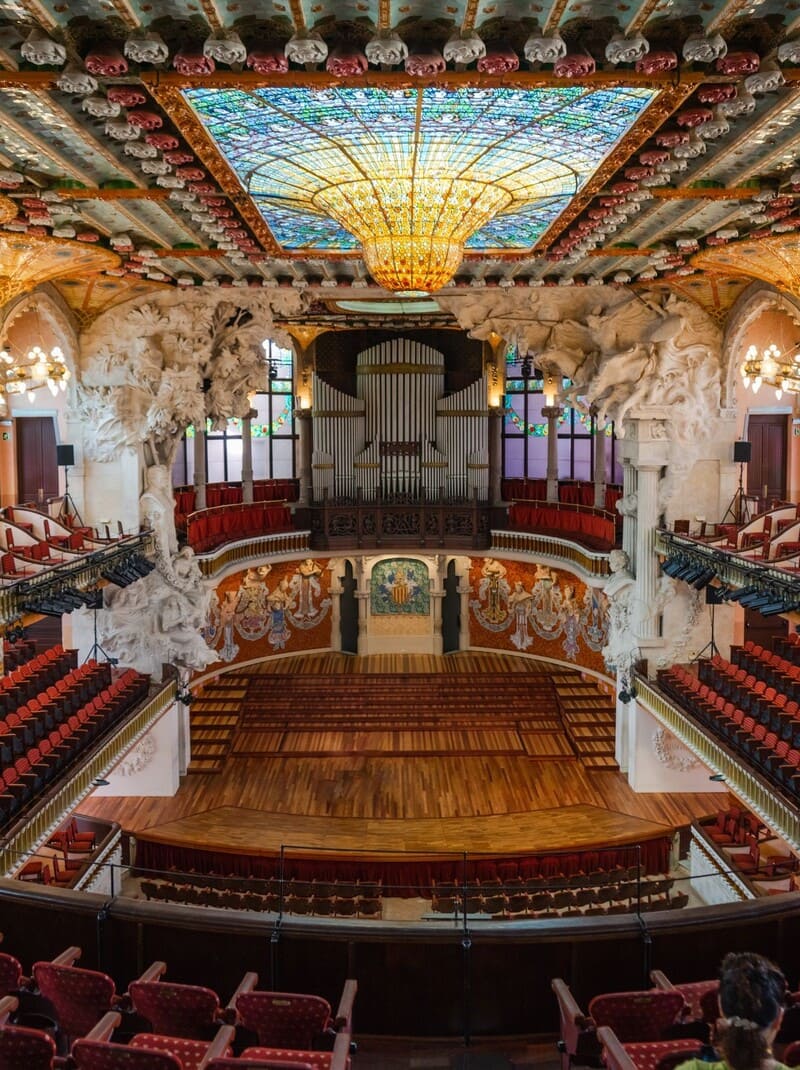
This is the only Art Nouveau concert hall on the UNESCO World Heritage list, and it earned that distinction honestly. Architect Lluís Domènech i Montaner built it between 1905 and 1908 for the Orfeó Català choral society, paid for entirely through public subscription rather than a single wealthy patron.
The interior stained-glass skylight and the sculpted muses on the stage are reason enough to visit even if you don’t catch a performance. If your schedule allows, seeing a concert here beats any guided tour.
8) Ride the Golondrinas boats out of Port Vell
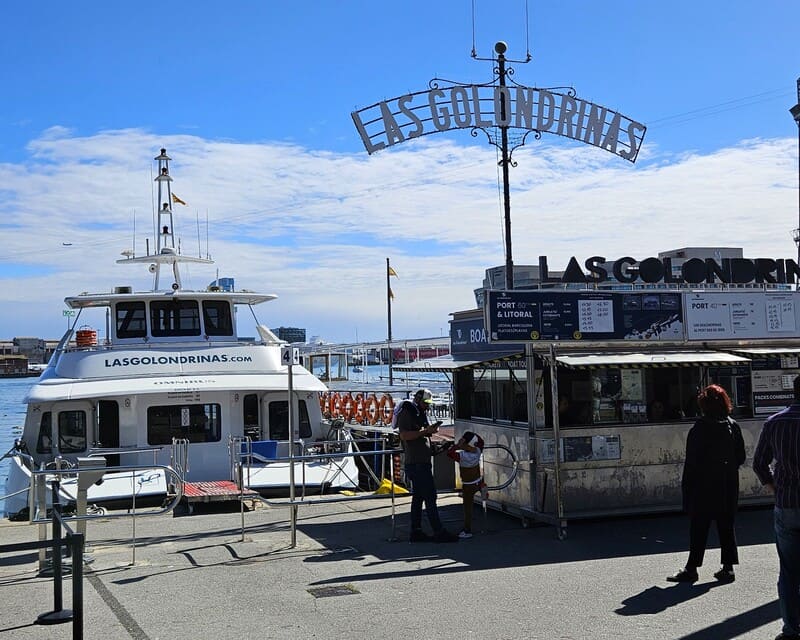
These small harbor boats have been running since 1888, when they launched for that year’s Universal Exposition. They’re the oldest tourist attraction still operating in the city, older than most of the buildings on this list.
The 40-minute harbor route is enough for a first visit: you’ll get a different angle on the port, the old shipyards, and the city skyline than you’ll see from land.
Boats leave from Portal de la Pau, right at the base of the Columbus Monument.
9) Walk the beach in Barceloneta, then eat where the fishermen used to live
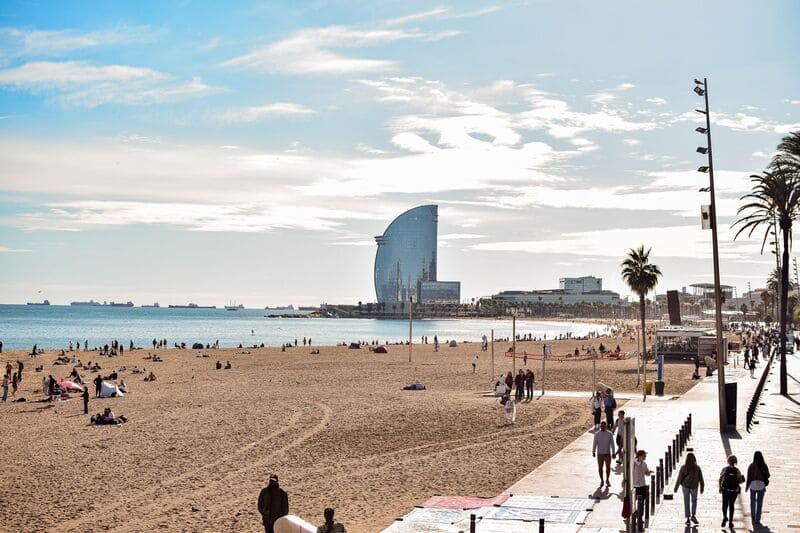
Barceloneta was built in 1753 as planned housing for families displaced when the city built the Ciutadella fortress. The strict grid of narrow streets you’re walking through was designed on purpose, for airflow and sun exposure in a working-class neighborhood, not for tourists.
The beach itself is newer than it looks. The city rebuilt the entire waterfront for the 1992 Olympics, trucking in sand where there used to be industrial docks.
Skip the restaurants directly on the beach promenade and walk two or three streets back into Barceloneta proper for better seafood at local prices.
10) Ride the cable car up Montjuïc and catch the Magic Fountain at night
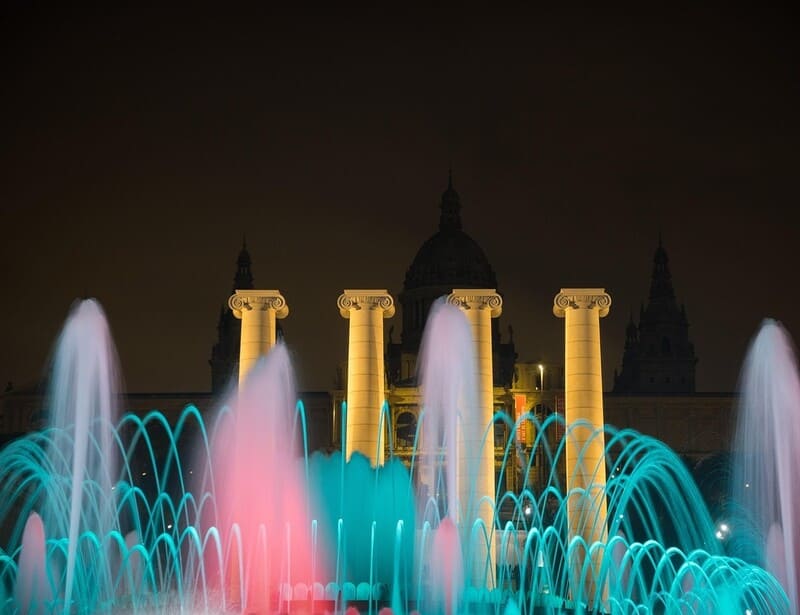
Montjuïc’s cable car gives you a harbor view most visitors never see. At the top, the castle and gardens are worth an hour of wandering.
Time your descent for evening and end at the Magic Fountain, built for the 1929 International Exposition. Over 3,600 jets choreograph water, light, and music in a show that’s been running, in one form or another, for nearly a century.
Check show times before you go. They vary seasonally and the fountain doesn’t run every night.
11) Catch the best free view in the city at the Bunkers del Carmel
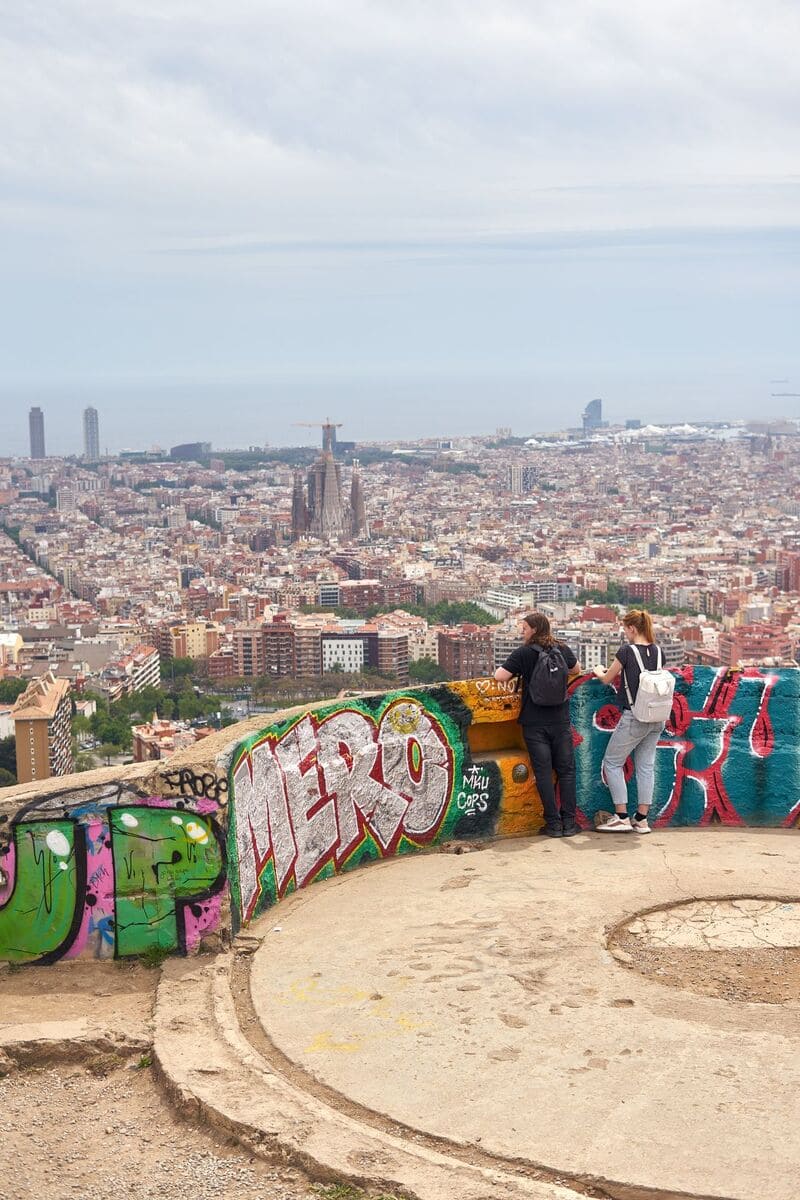
This hilltop spot on Turó de la Rovira, 860 feet (262m) up, gives you a full 360-degree view over Barcelona, all the way to the sea.
It’s free, it’s rarely crowded compared to the paid viewpoints, and locals treat it as a regular sunset spot rather than a tourist stop.
The catch: there’s no direct metro stop, and the last stretch is uphill on foot. Budget a taxi or rideshare if steep walks aren’t your thing, and go about 30 minutes before sunset to get a spot.
12) Wander Gràcia without a plan
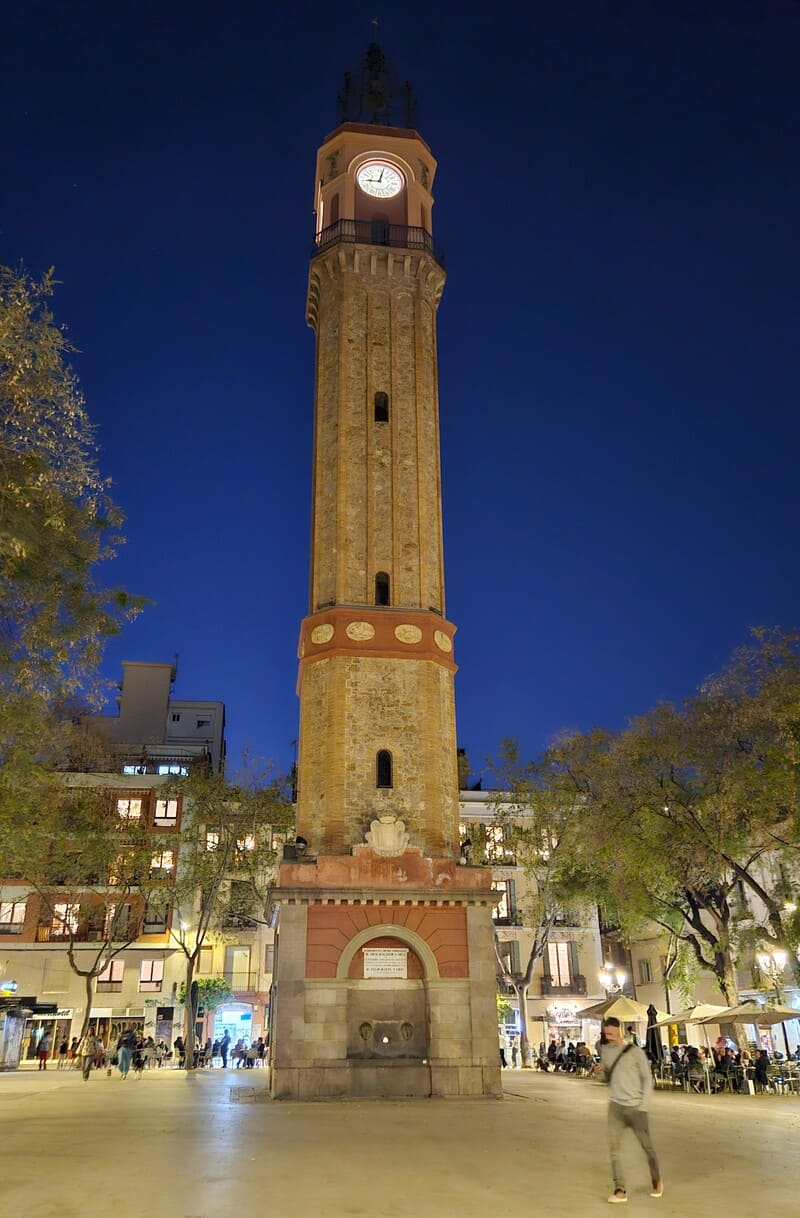
Gràcia was its own independent town until Barcelona annexed it in 1897, and it still doesn’t quite act like part of the city. The plaças are smaller, the pace is slower, and most of the people around you will be locals, not tourists.
There’s no single must-see here. Pick a direction from Plaça del Sol or Plaça de la Vila de Gràcia and just walk.
13) Wander El Born’s narrow streets
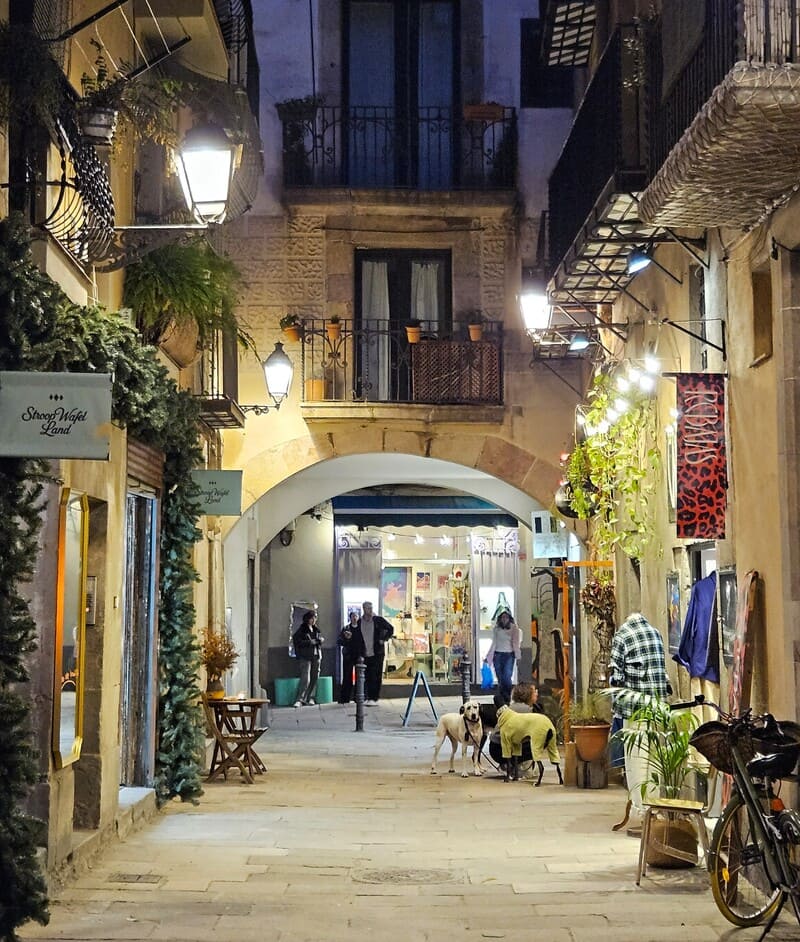
El Born sits right next to Santa Maria del Mar, and the two pair naturally on the same walk. The streets here are medieval in scale, narrow enough that the buildings block the sun by mid-afternoon.
Boutiques, small galleries, and old workshops share the same blocks. Again, no fixed itinerary needed. This is a neighborhood built for aimless walking.
14) Learn to make pa amb tomàquet, and drink vermut like a local
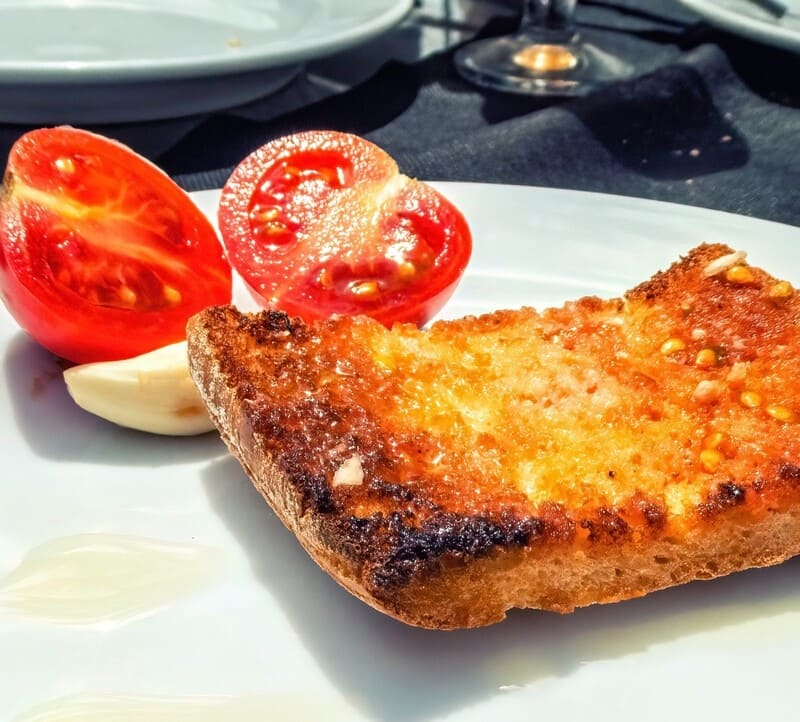
Pa amb tomàquet is about as simple as food gets: bread rubbed with a ripe tomato, a drizzle of olive oil, a pinch of salt. It shows up on nearly every table in Catalonia and it’s not something you’ll find described accurately in most guidebooks.
Pair it with a vermut, ideally on a weekend around midday, which is when locals actually drink it. Look for a proper vermuteria in Gràcia or El Born rather than a bar on a main tourist street. The ritual matters as much as the drink.
15) Sit by the pond in Turó Park
Most first-timers never make it to this one, and that’s exactly its appeal.
Turó Park sits on the site of a former amusement park that closed in 1929; the city opened the current gardens in 1934, designed by Nicolau M. Rubió i Tudurí and dedicated to the poet Eduard Marquina.
It’s compact, genuinely quiet, and centered on a small pond that fills with water lilies in spring. There’s no major landmark inside, just a real neighborhood park in the upscale Sant Gervasi area, which is precisely why it’s worth the detour.
16) End the day on a rooftop with a view
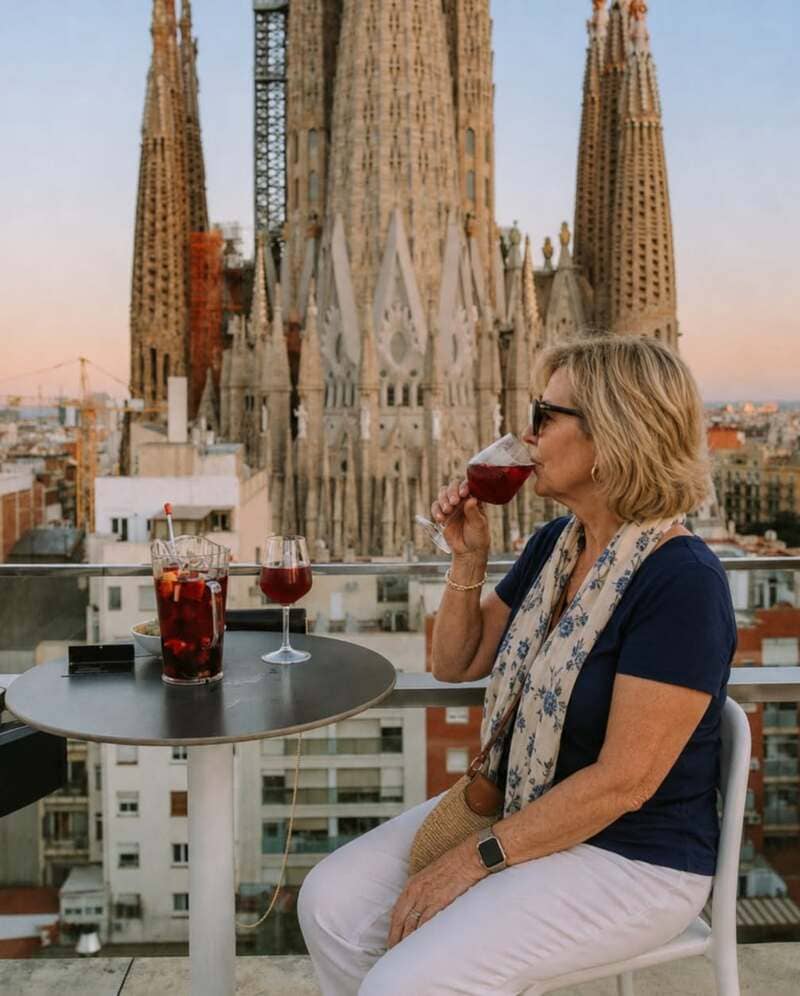
For the closest possible view of the Sagrada Família from above, the terrace at Sercotel Rosellón is hard to beat, close enough that the towers feel within reach.
The menu is simple bar food, patatas bravas and calamari, and the vibe is casual. The catch is booking: reservations open at midnight exactly, seven days ahead, and sunset slots disappear within minutes.
If you’d rather skip the booking scramble, L’Àtic at the Lamaro Hotel in the Gothic Quarter has no reservation system, direct views of the Cathedral’s bell towers, and a solid tapas and cava menu. It’s the easier option for a spontaneous evening.
Where to go next
A few of these stops have a free angle worth knowing before you go. La Boqueria costs nothing to wander if you skip the front-of-market stalls, Santa Maria del Mar runs on donations rather than a ticket, and Park Güell’s forest zone doesn’t require the Monumental Zone pass at all. I laid out all of these, and more, in Top 18 best free things to do in Barcelona.
And before you lock in your dates, it’s worth knowing that Sagrada Família and Park Güell tickets are selling out further in advance than most first-timers expect this centenary year, along with a few other early mistakes that are easy to avoid once you know about them: 12 mistakes to avoid in your first 3 days in Barcelona.