The Best Barcelona Neighborhoods to Stay in as a First-Timer
By Dorian · Updated August 17, 2026
Picking where to stay in Barcelona matters more than most first-time visitors realize. The city’s neighborhoods genuinely feel different from each other, in pace, in noise, in how touristy they feel, and choosing the wrong fit can shape an entire trip.
Barri Gòtic
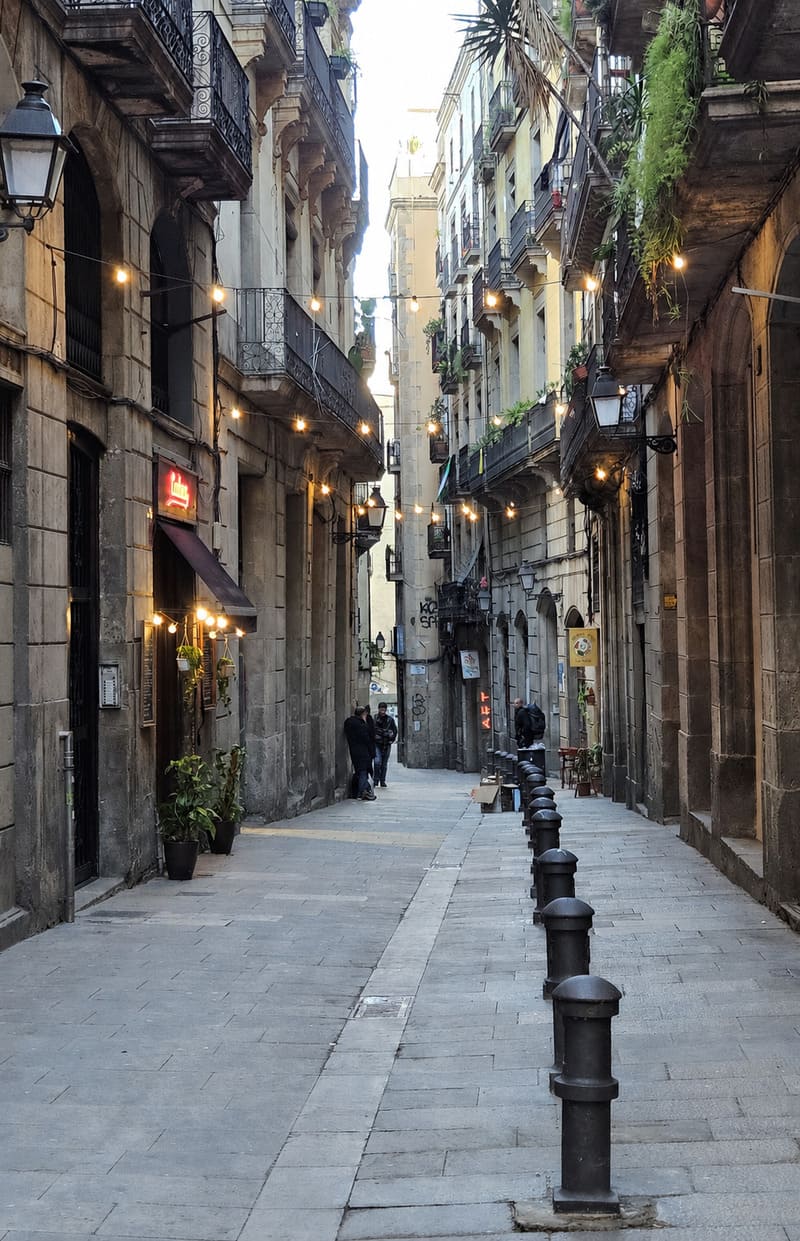
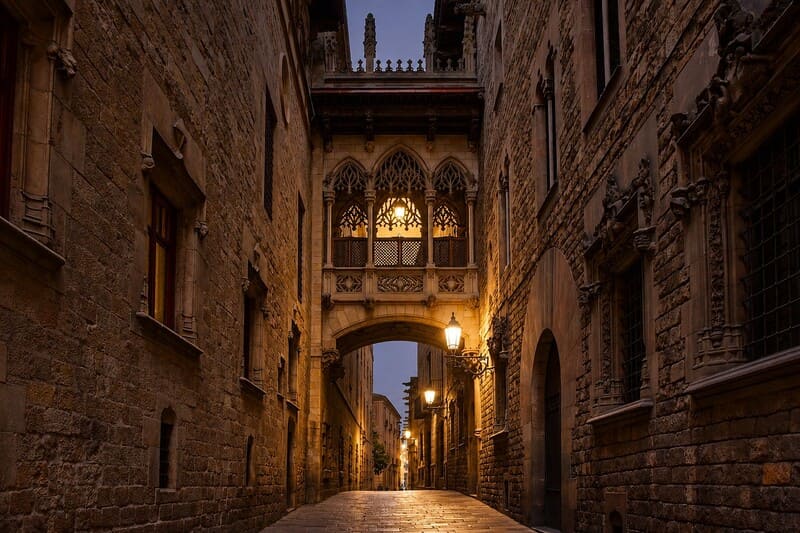
The medieval core of the city, narrow stone streets, hidden squares, the Cathedral at its center. This is the Barcelona of postcards, and staying inside it means everything is within walking distance.
- Walkability: As central as it gets. The Cathedral, Plaça Reial, and La Rambla are all reachable on foot from any hotel here, no metro required for most of your day.
- Atmosphere: The most visually striking part of the city, but also the most built around tourism. Expect souvenir shops and menus in six languages alongside genuinely beautiful architecture.
- Noise & nightlife: Loud, especially on weekends. Narrow streets carry sound well into the night, and this area doesn’t slow down early.
- Safety: Generally safe in terms of violent crime, but it’s one of the most pickpocket-targeted zones in the city, along with La Rambla and the market. Keep bags zipped and in front, especially in crowds.
Stay here if: you want to walk everywhere and don’t mind noise and crowds in exchange for sleeping inside the oldest part of the city.
Eixample
Barcelona’s 19th-century expansion, a grid of wide boulevards and octagonal blocks, designed deliberately to be more livable than the cramped old city it grew out of.
- Walkability: Very walkable, and unlike the old town, it’s a simple grid, hard to get lost in. Multiple metro lines cross the district, so anywhere else in the city is usually two or three stops away.
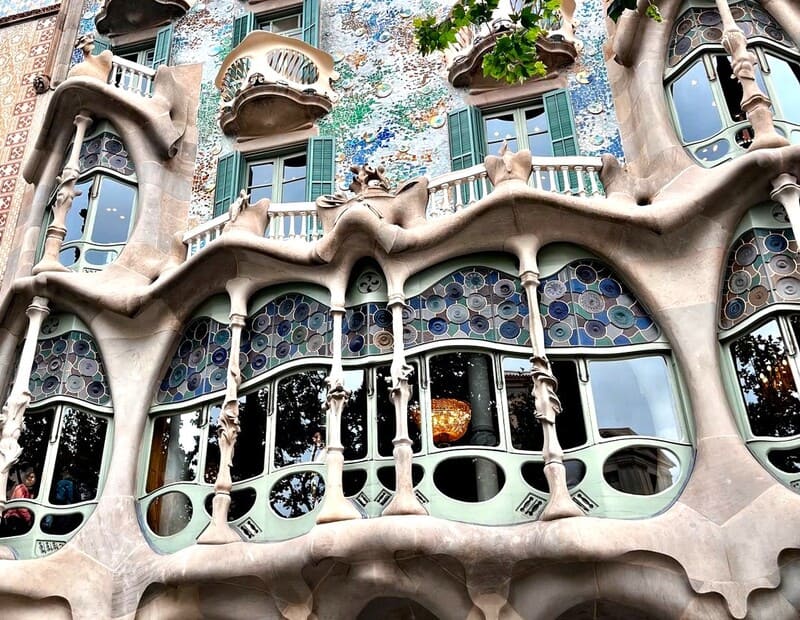
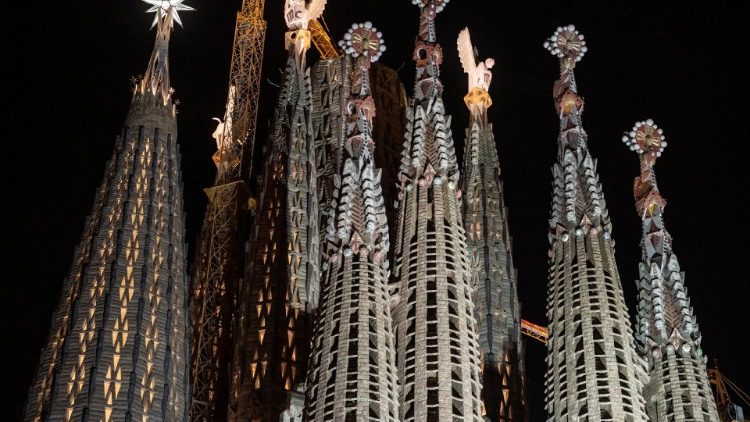
- Atmosphere: Feels like a real neighborhood rather than a tourist stage set. Locals shop, eat, and live here alongside visitors, and it has the highest concentration of Modernisme architecture in the city, including Casa Batlló and Sagrada Família.
- Noise & nightlife: Noticeably quieter than the old town. Wide streets absorb sound better, and the deeper you go into the grid, the calmer it gets.
- Safety: One of the safer, more relaxed districts to stay in, with lower pickpocket density than the historic center.
Stay here if: you want a quieter base with easy transit connections, and don’t mind trading some old-world atmosphere for wide streets and better sleep.
El Born
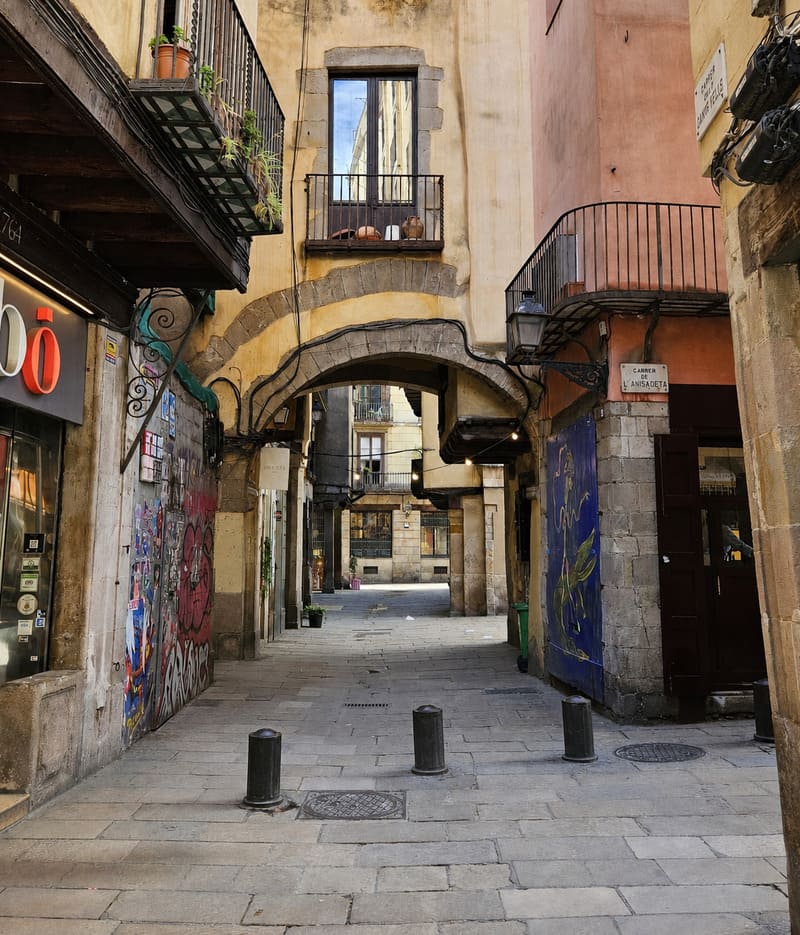
Compact and historic, sitting just beside Barri Gòtic but with a slightly different feel, older buildings turned into small restaurants and shops rather than souvenir stalls.
- Walkability: Excellent. Small enough to cross on foot in minutes, and it borders both Barri Gòtic and the beach-facing part of the city.
- Atmosphere: Historic without feeling as overrun as the Gothic Quarter. A strong food and wine scene, with a slightly younger, more design-conscious crowd than the old town.
- Noise & nightlife: Lively on weekend evenings around its bars and restaurants, but generally calmer than Barri Gòtic or Barceloneta.
- Safety: Similar profile to Barri Gòtic given the proximity, reasonably safe but still a dense tourist area, so normal city awareness applies.
Stay here if: you want old-city atmosphere with a bit more breathing room, and care about a strong food and wine scene right outside your door.
Gràcia
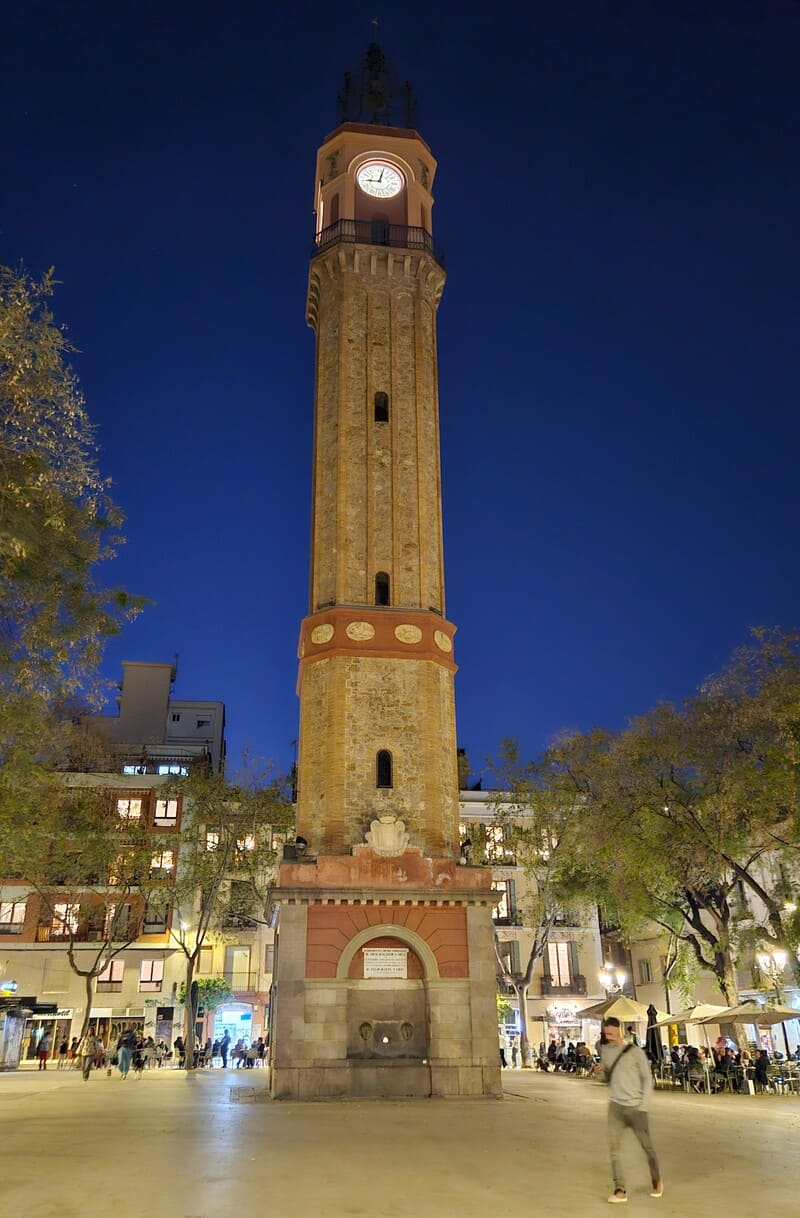
Once its own separate town before Barcelona grew around it, and it still feels that way. Small squares, local cafés, a slower rhythm than the center.
- Walkability: Good within the neighborhood itself, but it sits further from the main sights than the other options here, expect a 20 to 30 minute walk or a short metro ride to reach Barri Gòtic or Sagrada Família.
- Atmosphere: The most local-feeling option on this list. Squares like Plaça de la Vila de Gràcia and Plaça del Sol are genuinely used by residents, not built around visitors.
- Noise & nightlife: Relaxed during the day, can pick up in the evening around its bars, but nothing close to the intensity of Barceloneta or Barri Gòtic.
- Safety: One of the calmer, lower-tourist-density areas, with correspondingly lower petty crime risk.
Stay here if: you’d rather feel like you’re living in a real neighborhood than staying in the middle of a tourist route, and don’t mind a slightly longer walk or a short metro ride to get to the major landmarks.
Barceloneta
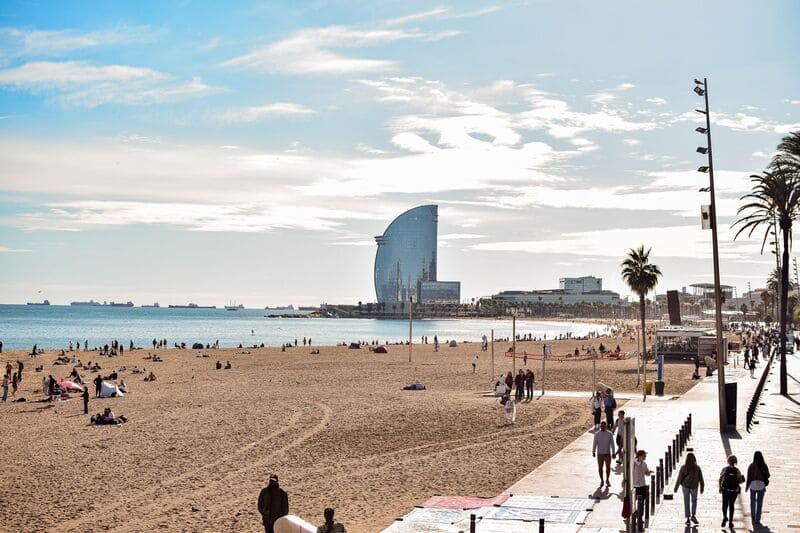
The beach neighborhood, once a fishing district, now known for its seafront and lively atmosphere. Waking up close to the sand has an obvious appeal.
- Walkability: Fine within the neighborhood and along the seafront, but it’s a longer walk to the main old-town sights than El Born or Barri Gòtic.
- Atmosphere: A genuine beach-town feel, small streets, laundry on balconies, plus a busy strip of seafood restaurants and beach bars.
- Noise & nightlife: The most active nightlife on this list, beach clubs and late crowds, especially in summer.
- Safety: Worth being direct about: Barceloneta has a notably higher rate of nighttime incidents than most other central neighborhoods, largely tied to its beach nightlife. It’s not a dangerous place to visit, but it warrants more caution after dark than a quieter district would.
Stay here if: being steps from the beach is a priority for you, and you’re comfortable with more noise and a bit more street awareness after dark.
Poble-sec
Less on the typical first-timer radar, and that’s part of its appeal. Quieter, more local, with a strong casual dining scene built around small plates and pintxos-style bars.
- Walkability: Good, and it sits right at the foot of Montjuïc, though it’s a bit further from Barri Gòtic and El Born than those two are from each other.
- Atmosphere: Genuinely local, with a younger, more neighborhood-café feel than the old town. Carrer Blai in particular is known for its casual bar-hopping food scene.
- Noise & nightlife: Present but contained, mostly centered on a few streets rather than spread throughout, so it’s easy to be in the middle of it or a block away from it entirely.
- Safety: A calmer, more residential feel than the old town or Barceloneta, with lower tourist density overall.
Stay here if: you want a genuinely local feel without going too far from the center, and you’re the kind of traveler who enjoys eating where locals actually eat.
What to read next
Once you’ve picked a neighborhood, here’s where to go next:
The perfect 3-day itinerary in Barcelona
A realistic, unhurried plan for seeing the city properly, built around exactly the kind of pacing this guide is about. Read it on the blog.
18 things you should actually do in Barcelona
The full list of places and rituals worth your time, beyond the five everyone already has circled. Read it on the blog.