15 Things You Probably Believe About Barcelona That Aren’t True
By Dorian · Updated September 3, 2026
Some of what people think they know about Barcelona isn’t quite right, and a few of the real answers are more interesting than the myths. Here’s what actually holds up.
1. Sagrada Família is Barcelona’s cathedral
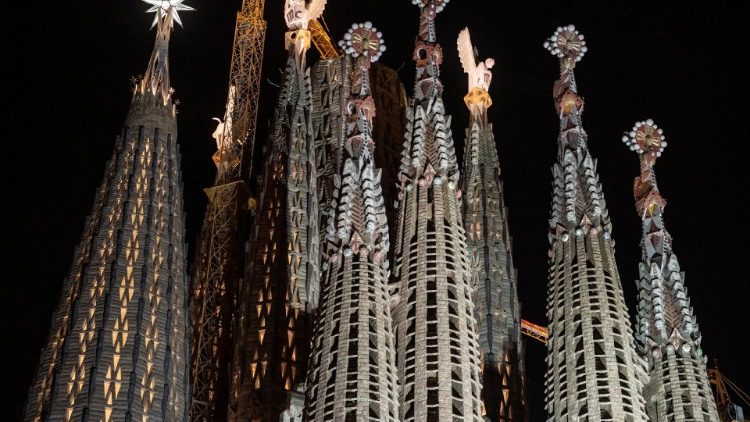
It isn’t. Sagrada Família is technically a minor basilica, consecrated by Pope Benedict XVI in 2010. A basilica is an honorific title given to a significant church, but it doesn’t make it the seat of a bishop, which is what actually defines a cathedral.
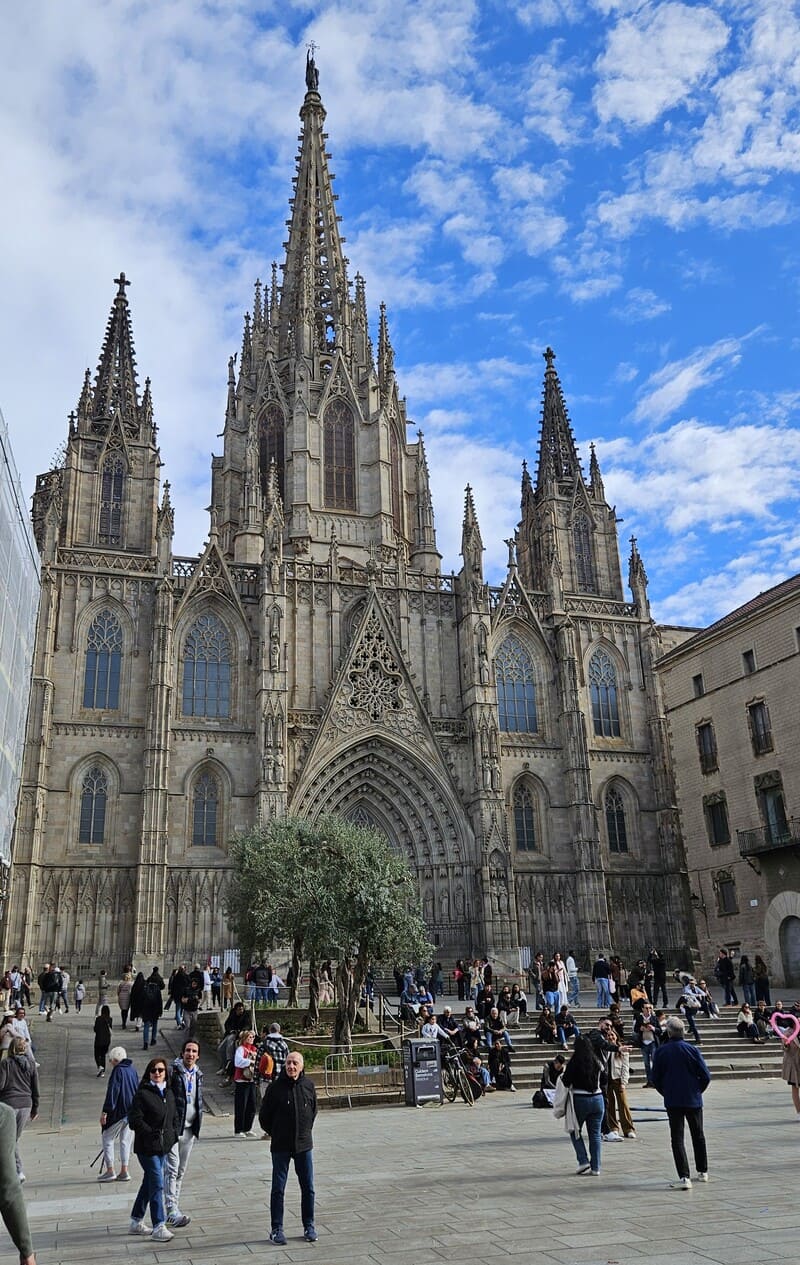
The real cathedral, La Seu, sits in the Gothic Quarter and is a completely different building, older and quieter, with its own cloister where 13 white geese have lived for centuries, a tradition tied to Saint Eulàlia, the city’s co-patron saint, said to represent her age when she was martyred.
2. Sangria is what locals drink
Sangria is mostly made for visitors, and it’s genuinely rare to see a local order it. The real midday ritual here is “la hora del vermut,” vermouth served over ice with an olive and a slice of orange, usually before lunch on a Sunday, alongside small salty snacks.
It’s less about the drink itself and more about the pause it forces into the day, a proper sit-down break before the afternoon starts, which is part of why it’s stuck around for generations while sangria stayed a tourist-facing export.
3. Gaudí only ever designed Sagrada Família
He spent his final years devoted entirely to the basilica, but it was far from his only work. His career spanned over four decades, and it started with Casa Vicens, a smaller, less famous commission in Gràcia that shows his early experimentation with color and pattern.
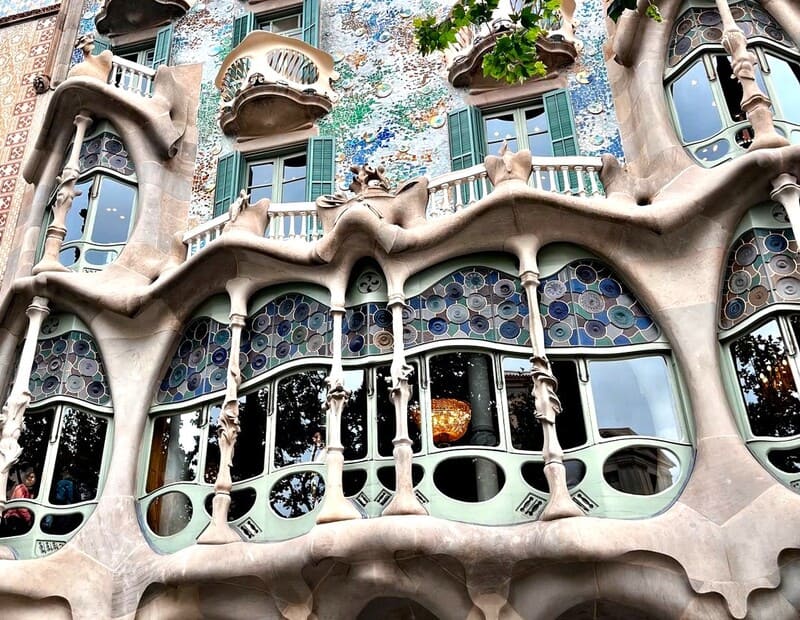
From there came Palau Güell, Park Güell, Casa Batlló, and La Pedrera, each one built years apart, each one showing his style shifting and getting bolder. Sagrada Família was the culmination of that evolution, not the whole of it.
4. Paella is a Catalan specialty
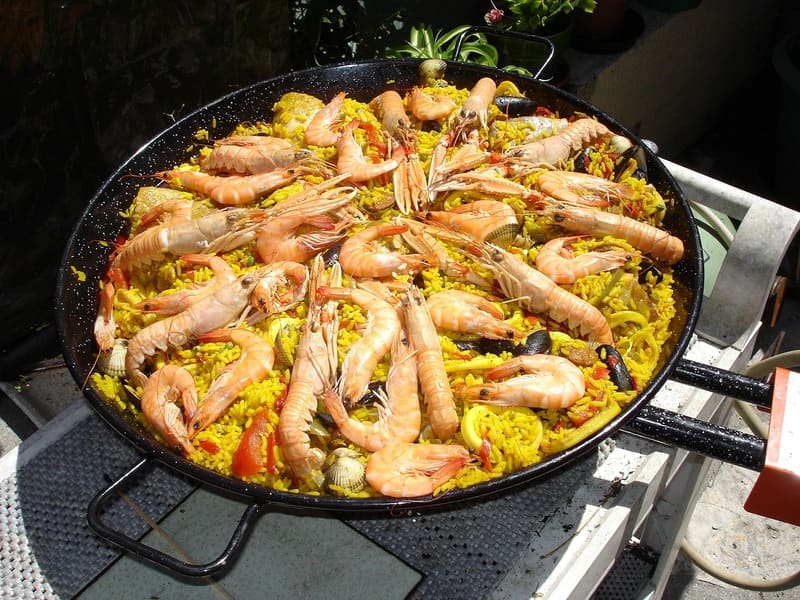
Paella actually comes from Valencia, a different region on Spain’s eastern coast, where it developed among farm workers cooking over open fires with whatever was on hand: rabbit, chicken, snails, and local vegetables like green beans, cooked in a wide, shallow pan that gives the dish its name.
Traditional Valencian paella doesn’t even include seafood. What’s typically served in Barcelona today is a coastal adaptation built around shellfish and fish, which is delicious in its own right, but it’s a regional reinterpretation, not the original.
5. The Gothic Quarter is entirely original medieval architecture
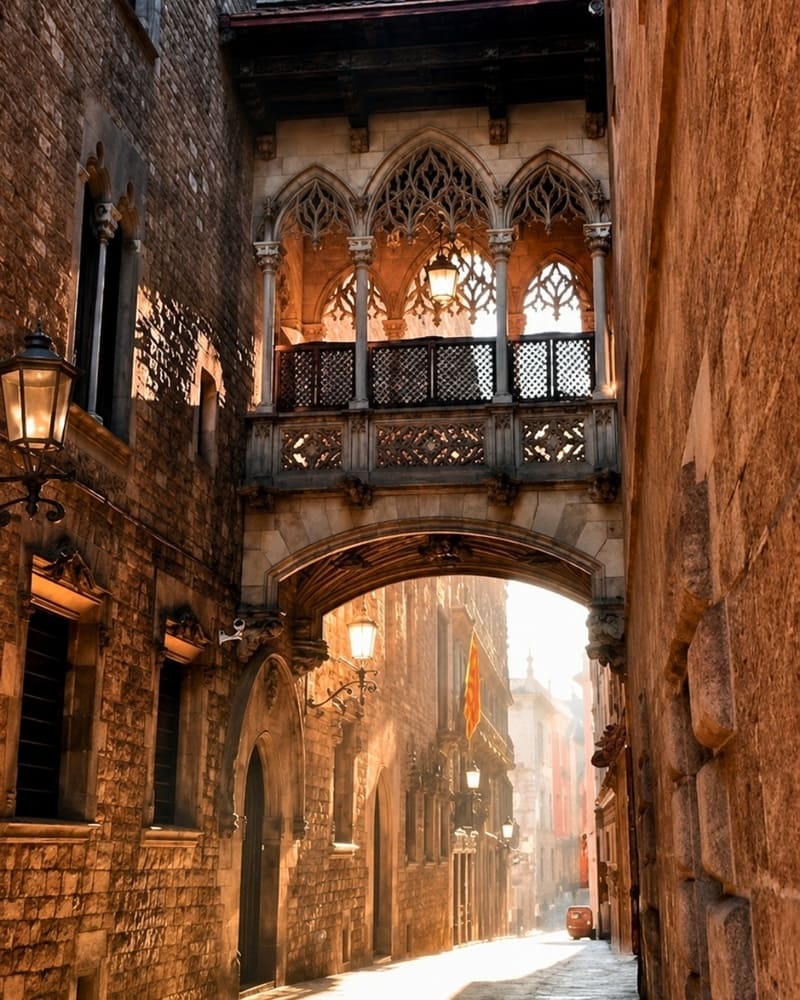
A surprising amount of what looks centuries old was actually built in the early 20th century. Ahead of the 1929 International Exhibition, the city’s mayor at the time pushed a major beautification effort that reshaped the neighborhood into something more romantically medieval than it had actually been.
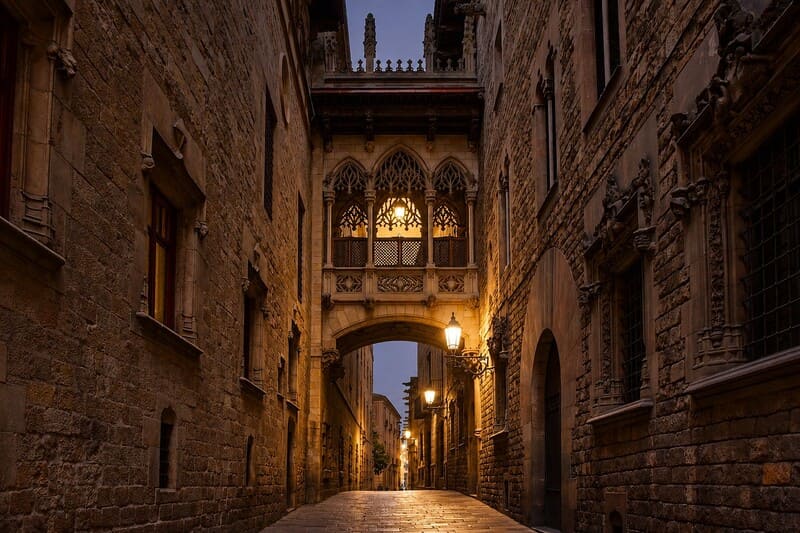
The Cathedral’s own façade wasn’t finished until 1913, following medieval plans that had sat unexecuted for centuries. The picturesque bridge over Carrer del Bisbe, one of the most photographed spots in the whole quarter, dates only to 1928.
Genuine medieval structures are mixed in throughout, but the neighborhood as a whole is part invention, dressed up to look older than much of it is.
6. Flamenco represents Catalan culture
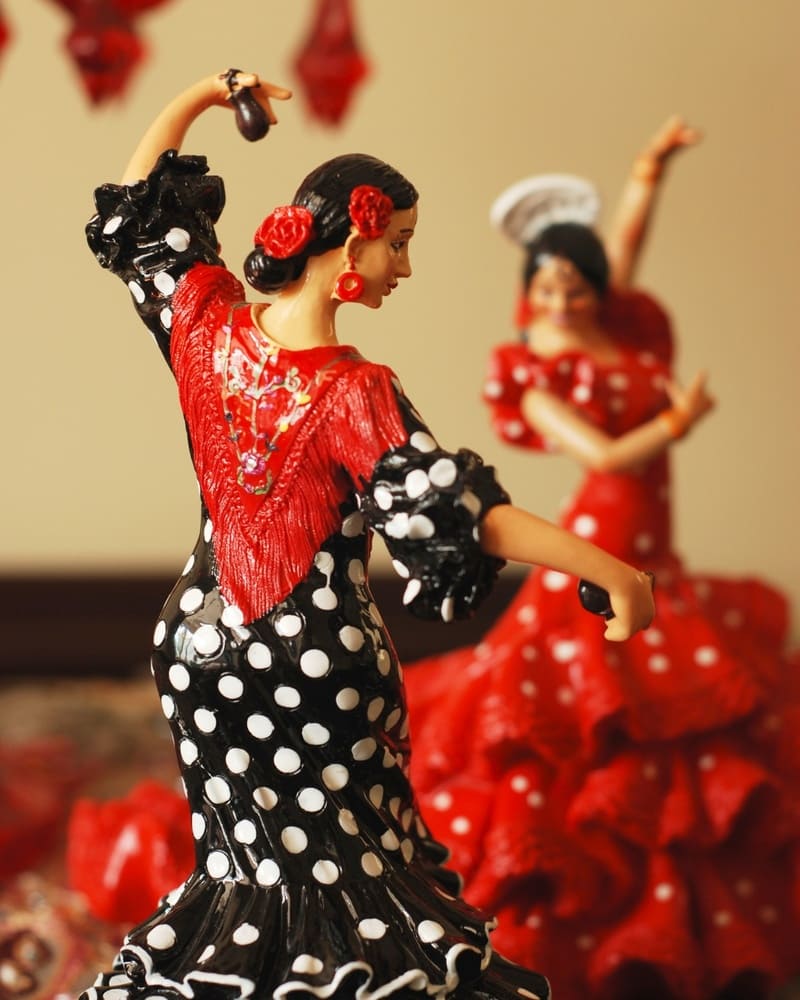
Flamenco is Andalusian, from the opposite end of Spain, born out of a completely different regional history. It’s easy to find a show here, since it draws visitors expecting to see it, but it isn’t native to Catalonia.
The traditional dance you’re actually more likely to see locals take part in is the sardana, danced in large circles in public squares, hands linked overhead, usually to live music from a small wind ensemble called a cobla. It’s a very different rhythm and a very different feeling.
7. Everyone in Barcelona speaks Spanish as their first language
Catalan is a distinct language, not a dialect of Spanish, with its own grammar, vocabulary, and centuries of literature behind it.
It’s an official language here alongside Spanish, and for a large share of the local population, it’s the language they grew up speaking at home.
You’ll see it everywhere: street signs, restaurant menus, shop windows.
Picking up a handful of Catalan words rather than only Spanish ones tends to be noticed and appreciated, since it signals you’re paying attention to where you actually are.
8. Park Güell was designed as a public park
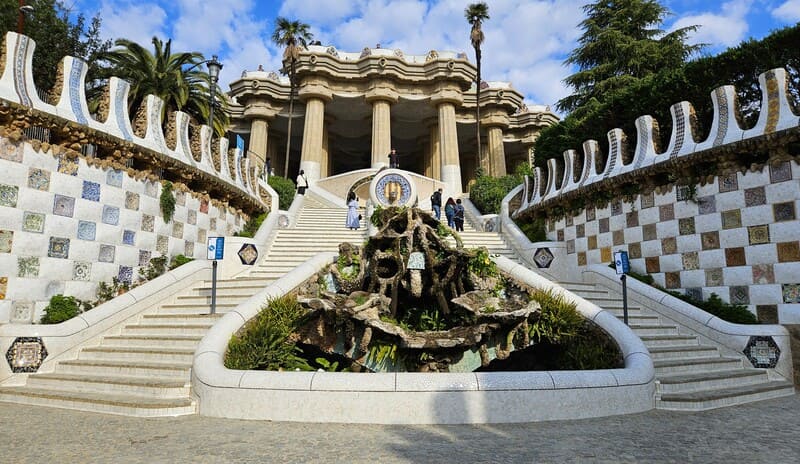
Gaudí originally built it as a private luxury housing development, commissioned by his patron Eusebi Güell to attract wealthy families to a planned community of around 60 homes with shared gardens and views over the city.
It flopped. Only two houses ever sold. One of them was eventually bought by Gaudí himself, who lived there for years, and it’s now the Gaudí House Museum.
The project collapsed commercially, and the city eventually took over the land and opened it to the public, which is the only reason Park Güell exists as a park at all today.
9. Tapas are a Barcelona specialty
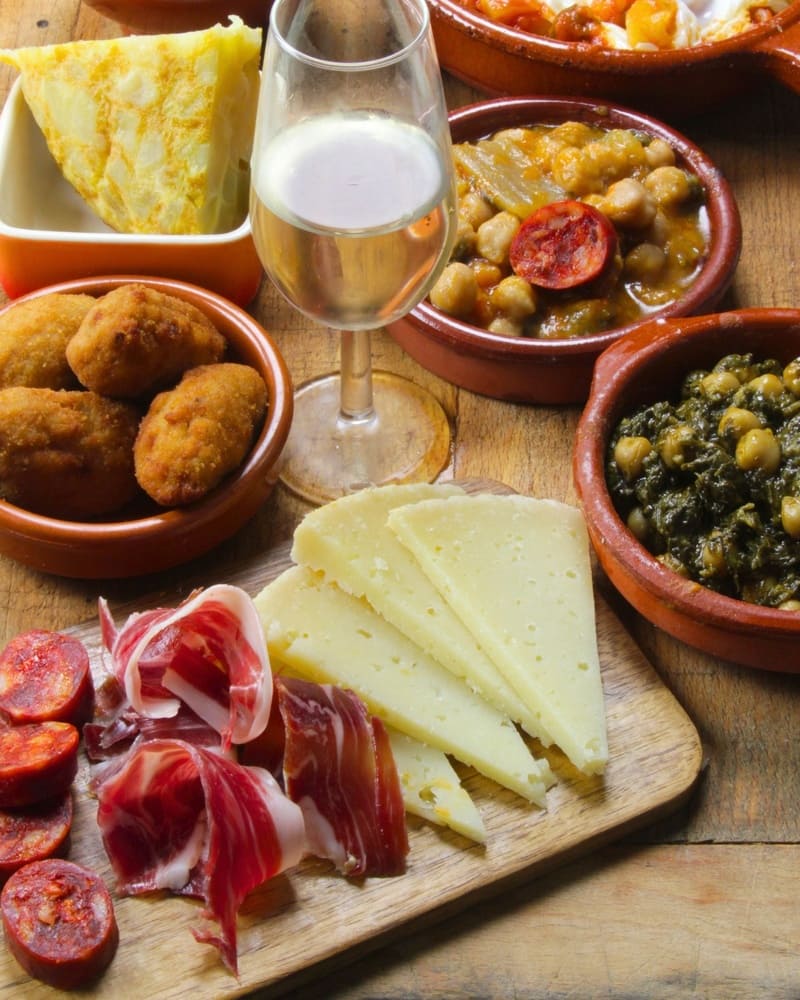
Tapas culture is rooted more in central and southern Spain than in Catalonia. Catalan small-plate dining developed along its own separate tradition, sometimes called “pica-pica,” with different dishes and different customs around sharing food at the table.
You’ll find plenty of tapas bars in Barcelona today, since the format has spread across the whole country and become genuinely popular locally too, but it’s worth knowing it isn’t originally a Catalan invention.
10. Barcelona’s beaches have always been there
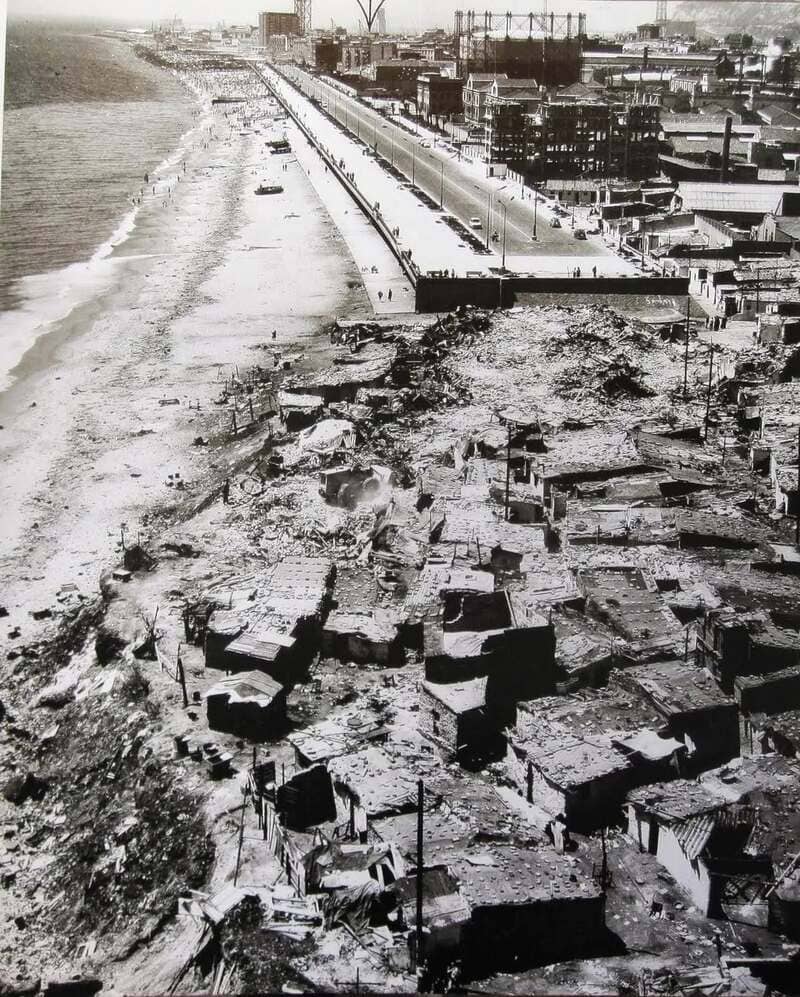
Every beach in the city is artificial, built for the 1992 Olympics. Before that, the coastline was industrial: factories, railway lines, and a shantytown called Somorrostro that was cleared to make way for the new waterfront, with no swimmable sand anywhere along it.
Sand was brought in, the railway lines were buried, and miles of new coastline were built essentially from scratch in just a few years. What looks like a natural, timeless stretch of Mediterranean beach is actually one of the more dramatic urban transformations in the city’s modern history.
11. Gaudí was simply “a Spanish architect”
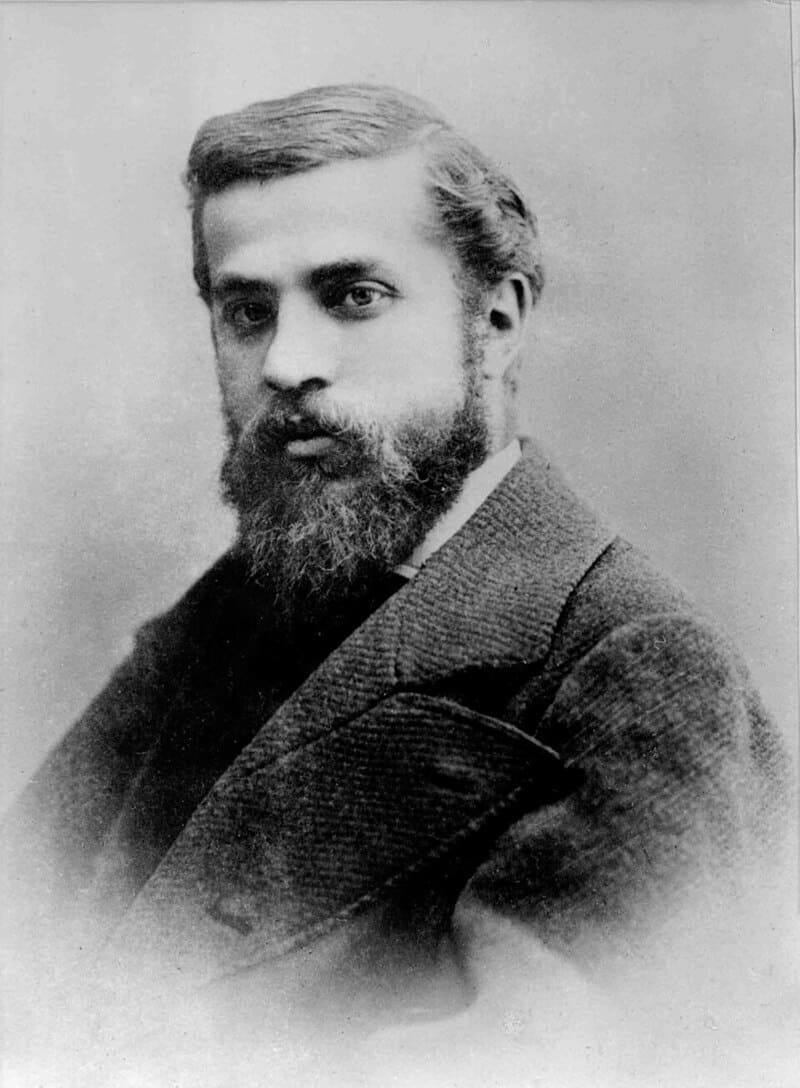
He was Catalan specifically, born in the Camp de Tarragona region, and his entire creative identity is bound up with Catalan Modernisme, an artistic movement centered in this region during a period of strong cultural revival, not a broader Spanish style.
That distinction matters to how his work is understood here. His buildings weren’t just personal invention, they were part of a wider Catalan push to build a distinct visual identity at a moment when the region was asserting its own cultural voice.
12. Catalan food is basically the same as the rest of Spain
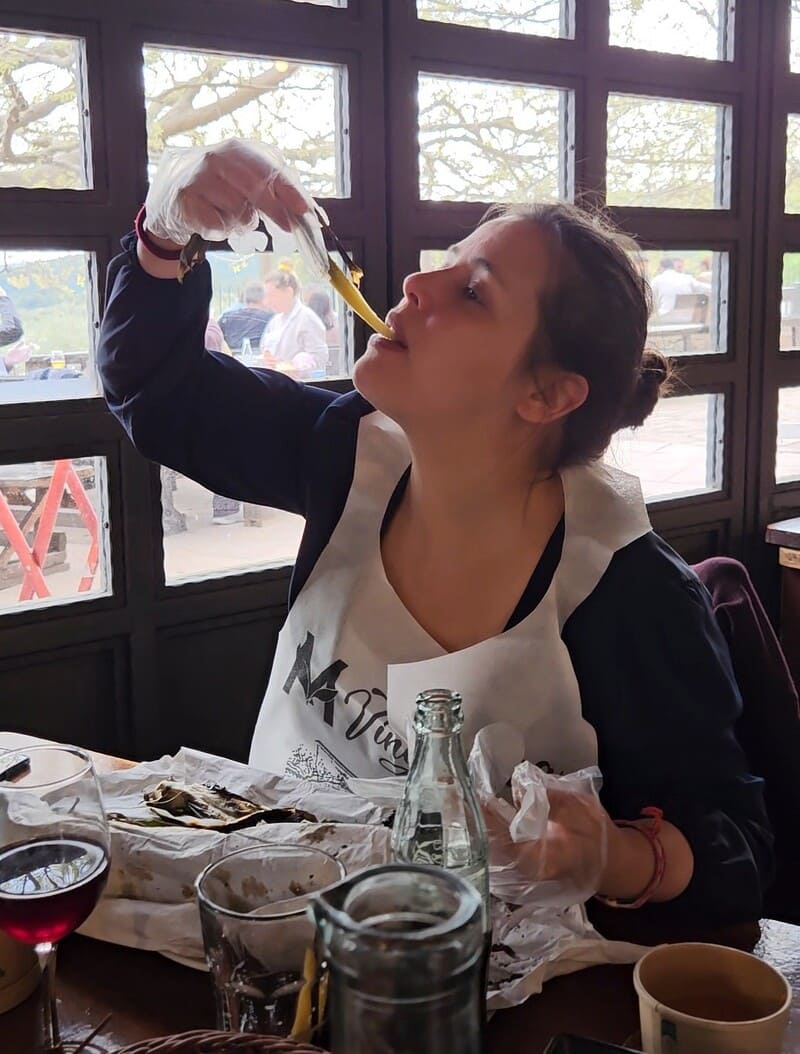
Dishes like pa amb tomàquet, grilled bread rubbed with ripe tomato and good olive oil, or botifarra, a Catalan pork sausage, or calçots, a seasonal specialty of grilled spring onions dipped in romesco sauce, are distinctly Catalan, developed here over generations, not generic dishes found the same way across the rest of the country.
Romesco itself, a sauce built from roasted peppers, tomatoes, and nuts, is a good example of a Catalan staple that rarely gets the recognition it deserves outside the region.
13. The Gothic Quarter is the oldest layer of the city
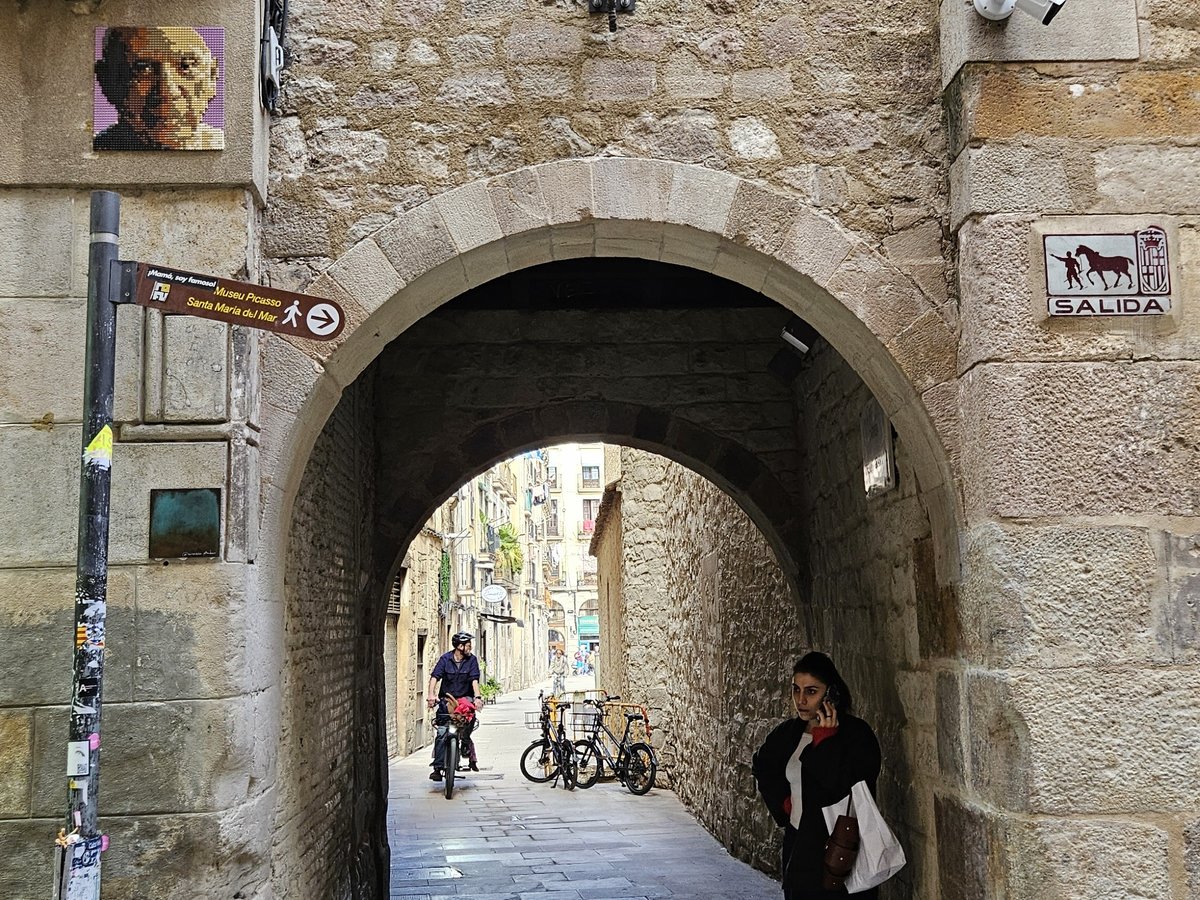
It’s old, but not the oldest. Underneath it are the remains of Barcino, the Roman city Barcelona grew from, founded around 15 BC. Four Roman columns from a temple to Augustus still stand today, tucked inside a medieval courtyard just off the Cathedral square, easy to miss if you don’t know to look for them.
Walking across the square outside, you’re walking over what was once the center of a Roman colony, centuries before anything Gothic was built on top of it.
14. Casa Batlló’s rooftop is purely decorative
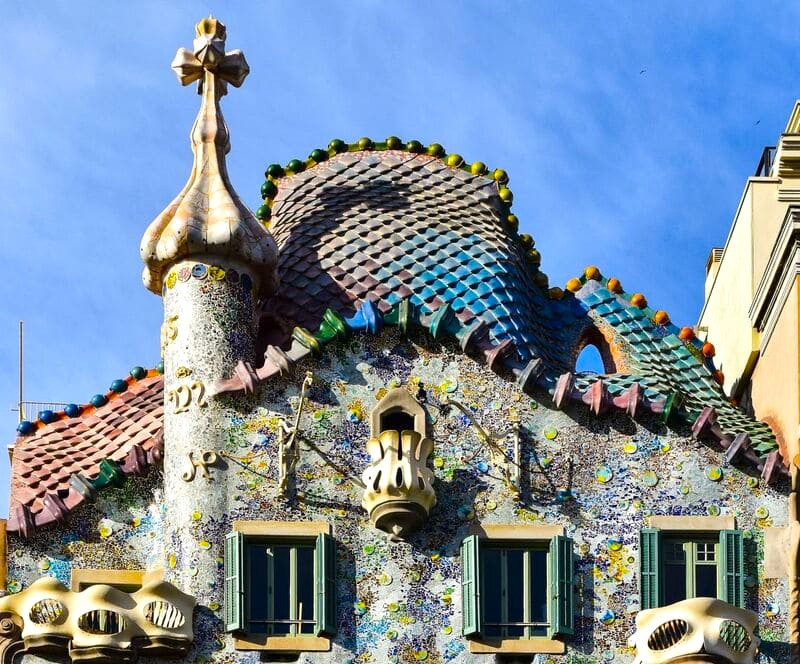
Those ceramic scales that make the roof look like a dragon’s back aren’t only there for effect. They’re disguising functional chimneys and ventilation shafts, form and function combined in fairly typical Gaudí fashion.
The whole design is often read as a nod to the legend of Saint George slaying a dragon, Catalonia’s own patron saint story, but underneath the symbolism, it’s doing real structural work for the building.
15. Gaudí died wealthy and celebrated
He actually died in poverty. In his final years, he lived simply inside his workshop on the Sagrada Família site, focused entirely on the temple and largely withdrawn from public life.
After being struck by a tram in 1926, he was dressed so plainly that he was initially mistaken for a beggar, and help was delayed as a result. He died three days later and is buried in the crypt of the basilica he spent his life building, a quiet ending for someone whose work would eventually be seen by millions of people every year.
Where to go next
If the Sagrada Família entry got you rethinking what you actually know about the place, it’s worth going deeper. Gaudí spent his final years on it and never saw it finished, and a lot of what stands there today was built by other architects working from his notes and models after his death. I go into exactly how much is genuinely his in is the Sagrada Família you saw in Barcelona really what Gaudí imagined.
And once the myths are cleared up, the next logical question is what to actually do with your time here. I put together a list built around what’s genuinely worth your time, not what shows up on every generic itinerary, in 19 things you should actually do in Barcelona.