13 Things Tourists Get Completely Wrong About Sagrada Família
By Dorian · Updated September 11, 2026
Gaudí’s name gets dropped at Sagrada Família like everyone already knows the story. Most visitors don’t.
They think it’s finished. They think it’s a cathedral. They think one architect built the whole thing top to bottom, in one straight line, start to finish.
None of that’s quite right. And getting it wrong changes what you actually notice once you’re standing inside.
1) You think it’s finished, because the Pope blessed it in June 2026
On 20 February 2026, the central Tower of Jesus Christ topped out at 566 feet (172.5 meters).
That made Sagrada Família the tallest church in the world, overtaking Germany’s Ulm Minster.
On 10 June 2026, the 100th anniversary of Gaudí’s death, Pope Leo XIV blessed the tower. It was a huge moment, and it looked like the finish line.
It wasn’t. The six central towers are complete on the outside, but interior work on the main tower continues into 2027 and 2028.
And the Glory Façade, the building’s actual main entrance, is still a construction site. Current estimate: around 2034.
There’s a dispute over the monumental staircase Gaudí planned, which would require demolishing residential buildings that have stood there since the 1970s. No one’s agreed on it yet, so parts of the design could stretch into the 2040s.
2) You keep calling it a cathedral
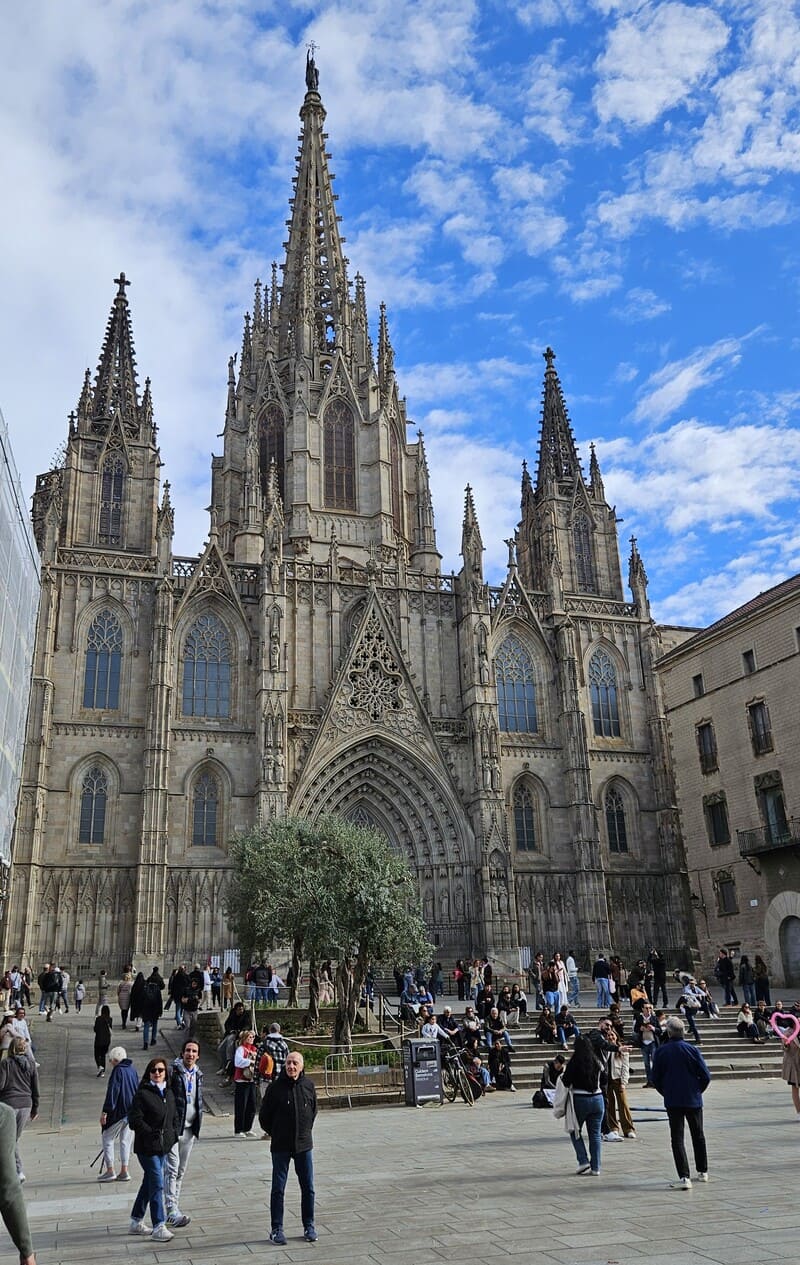
It isn’t one. Technically, it’s a basilica.
A cathedral is the seat of a bishop. A basilica gets its status directly from the Pope.
Sagrada Família was consecrated as a minor basilica by Pope Benedict XVI in 2010.
Barcelona’s actual cathedral is a different building entirely, over in the Gothic Quarter.
3) You assume the government or the Church is paying for it
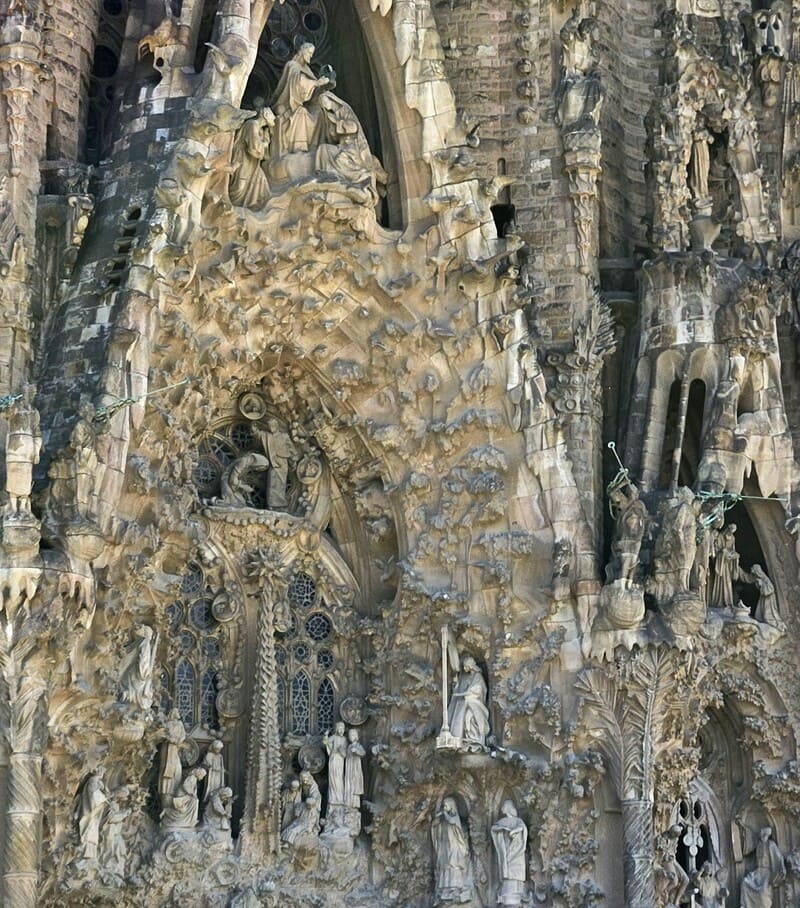
Neither is.
Since construction began in 1882, Sagrada Família has been funded entirely by ticket sales and private donations.
Not one euro of public or Church money has gone into building it. That’s also why it took over 140 years: the pace of construction has always depended on how many people walked through the door.
4) You don’t know Gaudí is buried inside, or how he died
Gaudí spent his final 15 years living on site, almost entirely devoted to the project.
In 1926, at age 73, he was struck by a tram on his daily walk to church.
He was dressed so plainly that nobody recognized him. For a while, he was treated as an unidentified beggar rather than the most famous architect in Barcelona.
He’s buried in the crypt of the building he gave his life to.
5) You think Gaudí designed the whole building
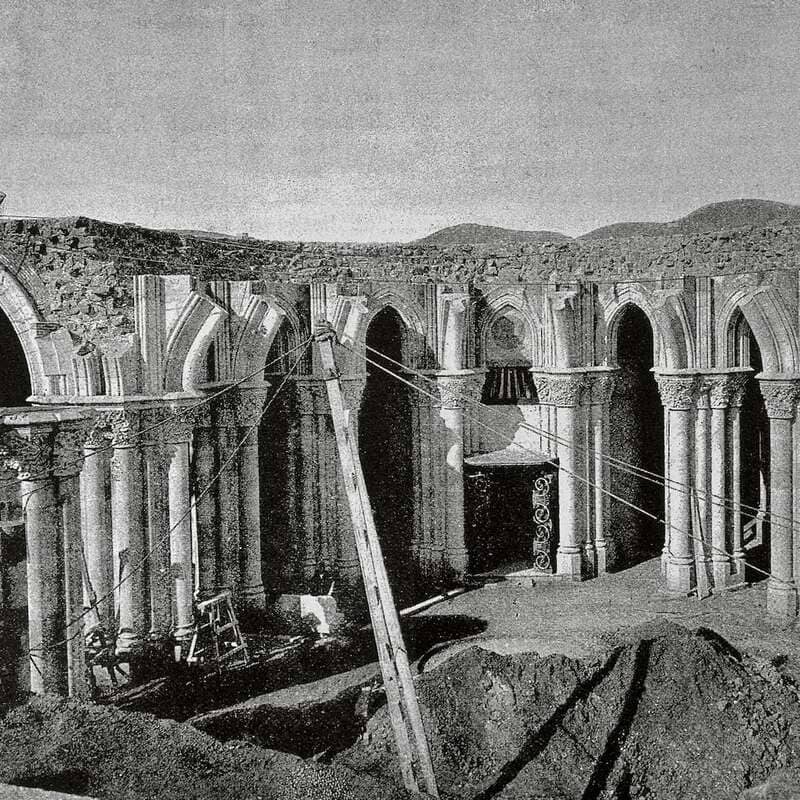
He didn’t start it, and he didn’t finish it.
The project began in 1882 under a different architect, Francisco de Paula del Villar, with a conventional Gothic design.
Gaudí took over in 1883, at 31 years old. He kept the crypt that was already built and redesigned everything above it.
When he died in 1926, only about a quarter of the building existed: one bell tower, the apse, the crypt, and the Nativity façade, still being finished from his models.
Everything else you see today, which is most of the building, was built after he was gone.
6) You’re treating it as just a tourist attraction
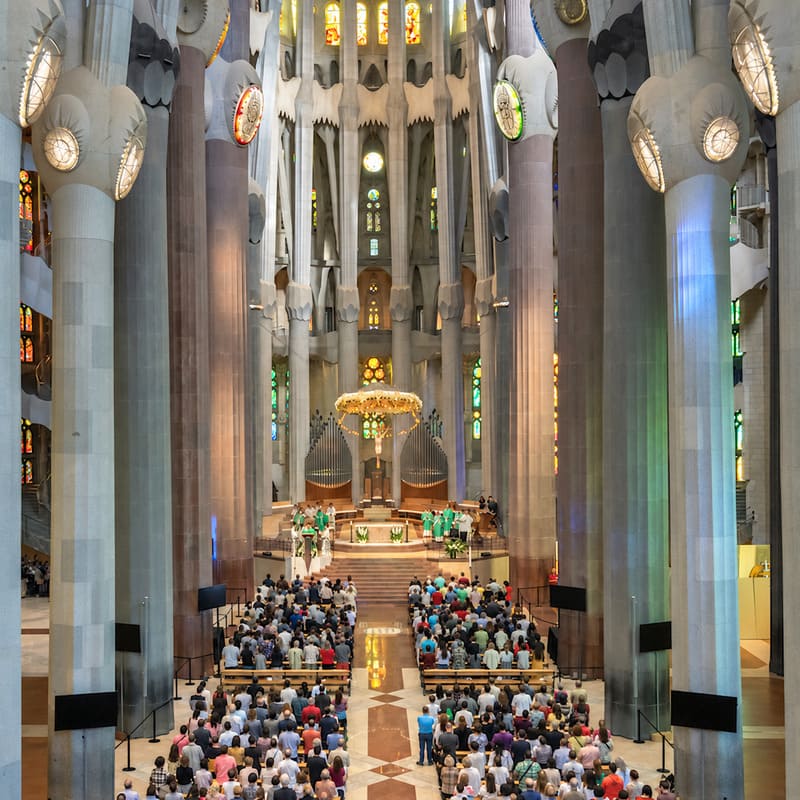
It’s a working church, with an active parish.
Daily Mass is held in the crypt, in Catalan and Spanish.
International Mass happens in the main nave every Saturday evening and Sunday morning, in multiple languages.
Entry to Mass is free, but capacity is limited, and you’re there to attend a service, not to wander or take photos.
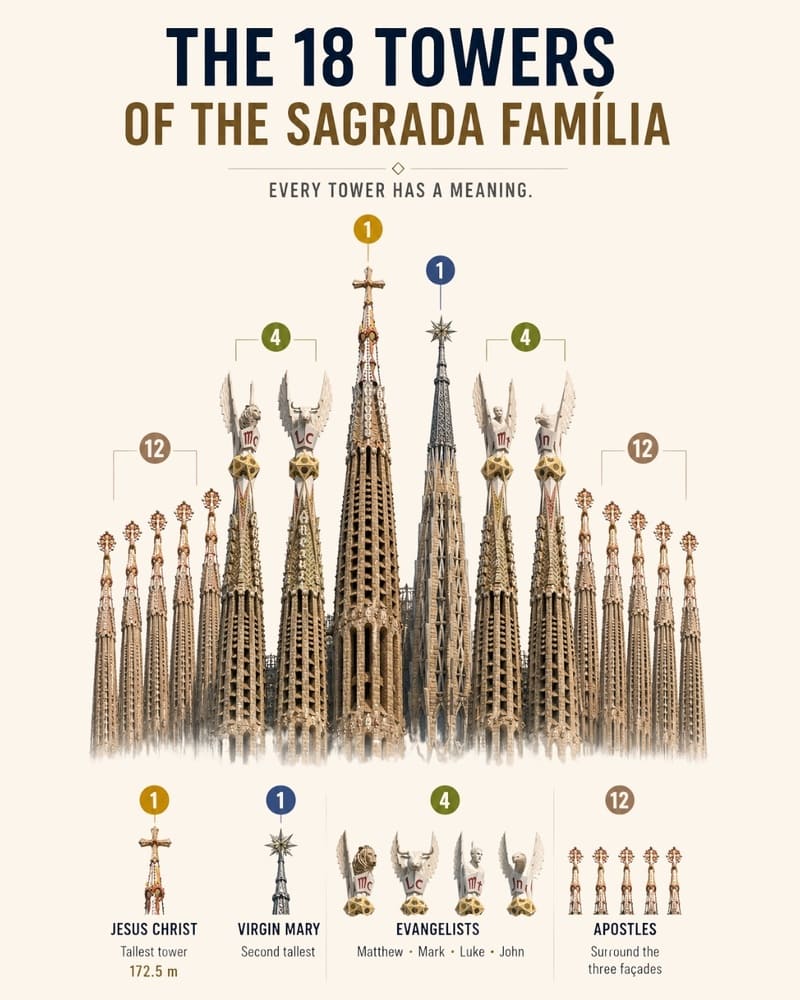
7) You think it has 12 towers
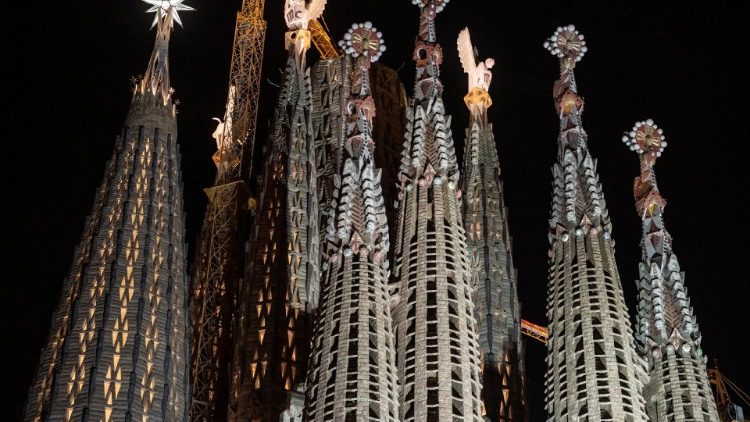
It has 18.
Twelve represent the apostles, four across each of the three façades.
Four taller towers represent the evangelists, grouped around the center.
One represents the Virgin Mary. And the tallest of all, the one that just topped out in 2026, represents Jesus Christ.
8) You assume you can walk in for free, like at other big European churches
You can’t. Unlike Notre-Dame or Barcelona’s own cathedral, there’s no free walk-in access to the interior.
You can admire the outside from the street for free. Getting inside requires a paid, timed ticket, unless you’re attending Mass.
9) You plan to just buy a ticket at the door
Those days are long gone.
Sagrada Família doesn’t sell walk-up tickets. Everything is booked online, in advance, for a specific time slot.
Show up without one and the best you’ll do is admire it from outside.
10) You forget your photo ID
Every ticket is nominative now: your name is attached to it when you book.
At the entrance, you need to show official photo ID, a passport or national ID card, that matches the name on the ticket.
Skip this and you don’t get in, no matter how valid your QR code looks.
11) You show up in shorts and a tank top expecting no one will care
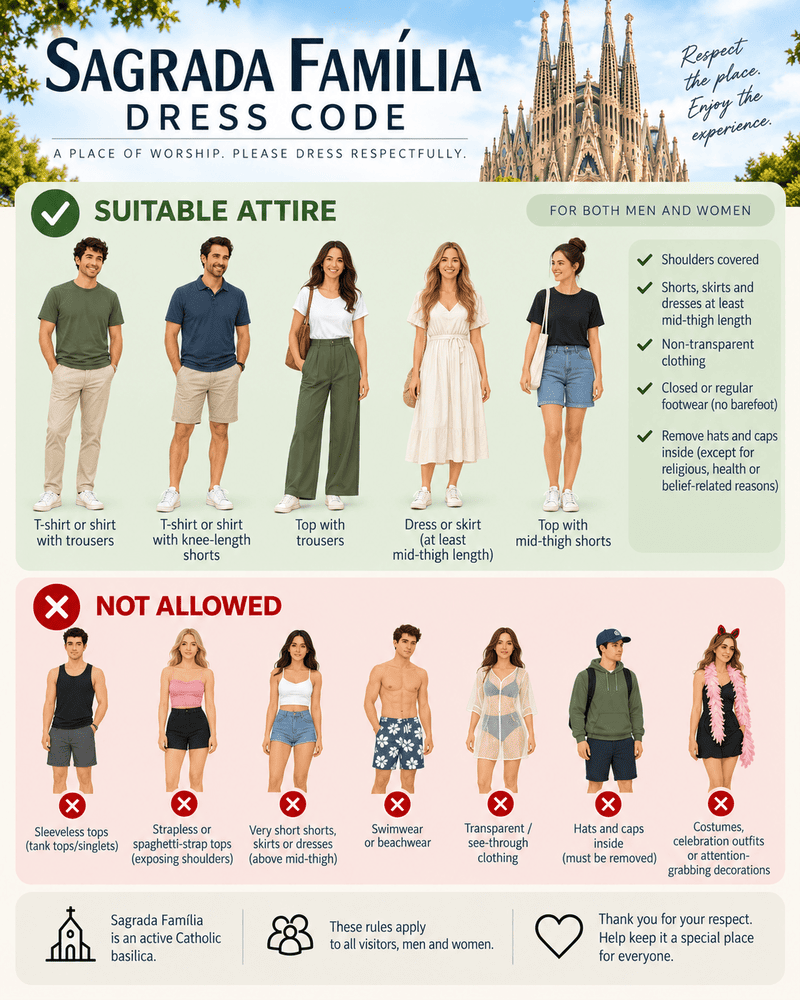
The dress code is real, and it’s enforced.
Shoulders and knees need to be covered. No see-through clothing. Hats come off once you’re inside.
Staff do turn people away at the door for this. Pack a light scarf or a cardigan if you’re not sure what you’re wearing will pass.
12) You think “skip the line” tickets mean no lines at all
They don’t.
A skip-the-line ticket guarantees you a time slot, so you’re not queuing to buy tickets.
You’ll still go through airport-style security: bag scan, metal detector, the works. On a busy day, that alone can take 20 to 30 minutes.
13) You book the middle of the day because it’s convenient
This is the one that changes the whole visit, and almost nobody plans around it.
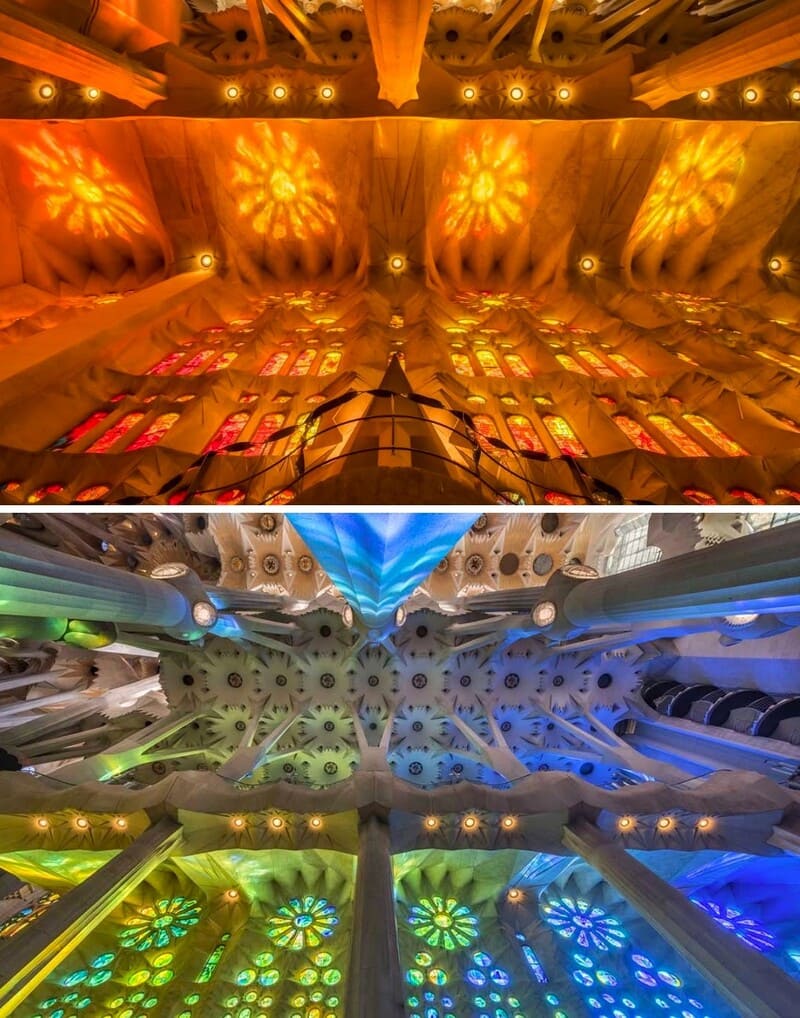
Gaudí designed the stained glass to shift the mood of the interior depending on the hour.
The Nativity façade faces east. In the morning, light pours through those windows in cool blues and greens.
The Passion façade faces west. In the late afternoon, light through those windows turns warm, orange and red.
Book the middle of the day, and you get flat, overhead light with none of that effect, plus the heaviest crowds of the day.
Morning or late afternoon isn’t just about avoiding lines. It’s the only way to actually see what Gaudí built the building to do.
Where to go next
If the gap between what Gaudí planned and what actually got built has you curious, I went a lot deeper into that question in whether the Sagrada Família you’re looking at is really what Gaudí imagined, including the fire that destroyed his original plans and the architects who tried to stop the building from being finished at all.
And if you want to see where Sagrada Família fits into the bigger picture, it’s only one piece of a much wider movement across the city. I put together a guide to Barcelona’s Modernisme buildings so you can see what else came out of that same era, and where to find it.