How Many Days Do You Need to Visit Barcelona?
By Dorian · Updated October 21, 2026
Guidebooks can’t agree on how long Barcelona takes.
Some say two days is enough.
Others say four is the minimum.
I’ll give you my number right away. Then I’ll show you what each extra day buys you, and what you give up by going short.
1) The short answer
Plan 4 days.
Three days for the city. One day for Montserrat.
Three days is the least I’d call doing Barcelona properly.
With less, you end up choosing between Gaudí and the old town.
More days are a bonus, not a requirement.
They’re also where you can slow down and spend time on places that don’t get the crowds.
Here’s the quick version:
- 1 to 2 days: highlights only, and you’ll have to pick a side
- 3 days: the city, done well
- 4 days: the city plus Montserrat (my pick)
- 5 days or more: Girona, Dalí, the coast, neighborhoods and a slower pace
Now the detail.
2) If you have 3 days
Three days works if you plan by neighborhood, not by landmark.
It also works if you don’t try to go inside everything.
So I’ve marked each stop. Inside means it’s worth a ticket and some time. Outside means you walk, look and keep going.
The pace rule: one “inside” stop per half day, at most.
Between stops, sit down. Take a long lunch, a coffee on a plaça or an hour back at the hotel.
What fits
Day 1: Sagrada Família, slowly
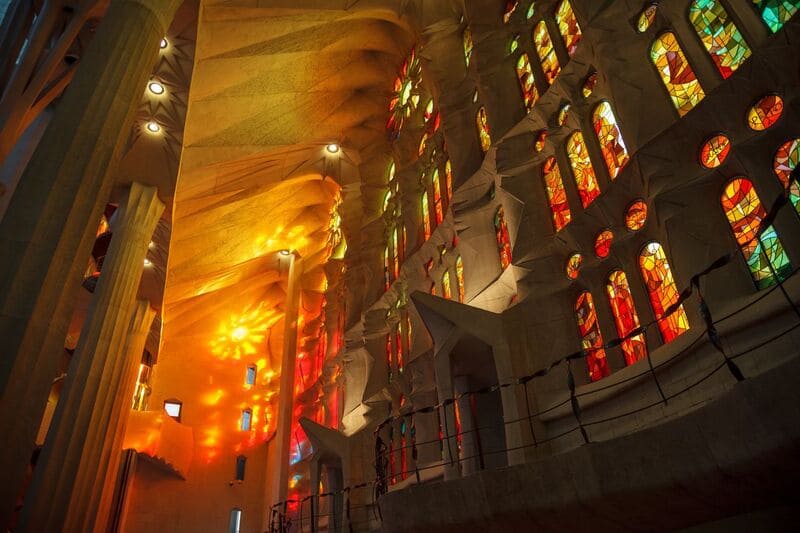
Morning, inside: Sagrada Família. Take your time. It’s the one stop today that needs a ticket.
Lunch and a long break.
Afternoon, optional and mostly outside: the Hospital de Sant Pau, about 0.3 miles (500 m) away. Allow 10 to 15 minutes on foot.
Walk the grounds. Skip it if you’d rather sit on a terrace.
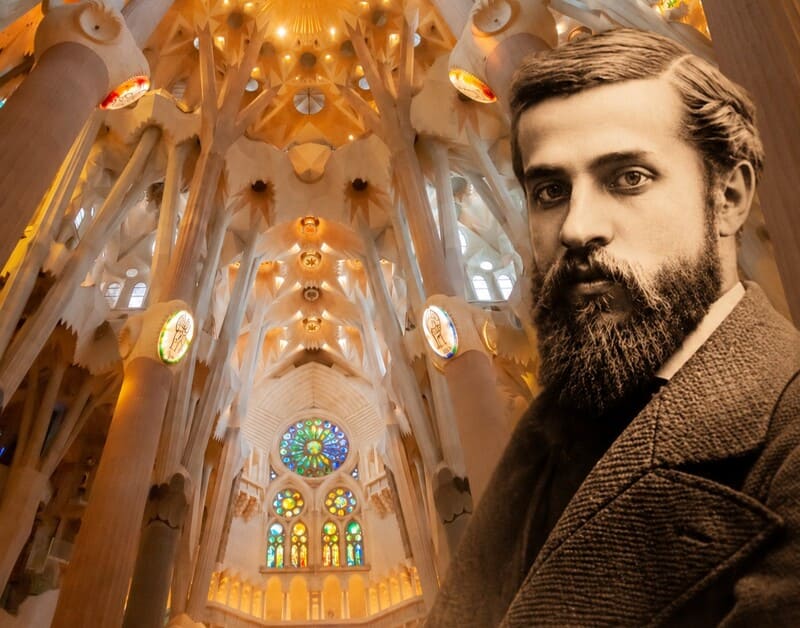
It was designed by Lluís Domènech i Montaner, the architect behind the Palau de la Música Catalana. The two buildings were listed together by UNESCO in 1997.
One fact worth knowing before you go: UNESCO’s Gaudí listing covers seven properties. For Sagrada Família, it covers only Gaudí’s own work, the Nativity façade and the crypt.
Day 2: Passeig de Gràcia, La Rambla and the old town
This is your walking day. Two inside stops, one in the morning and one in the afternoon.
First thing, inside: Casa Batlló or Casa Milà (La Pedrera). Pick one.
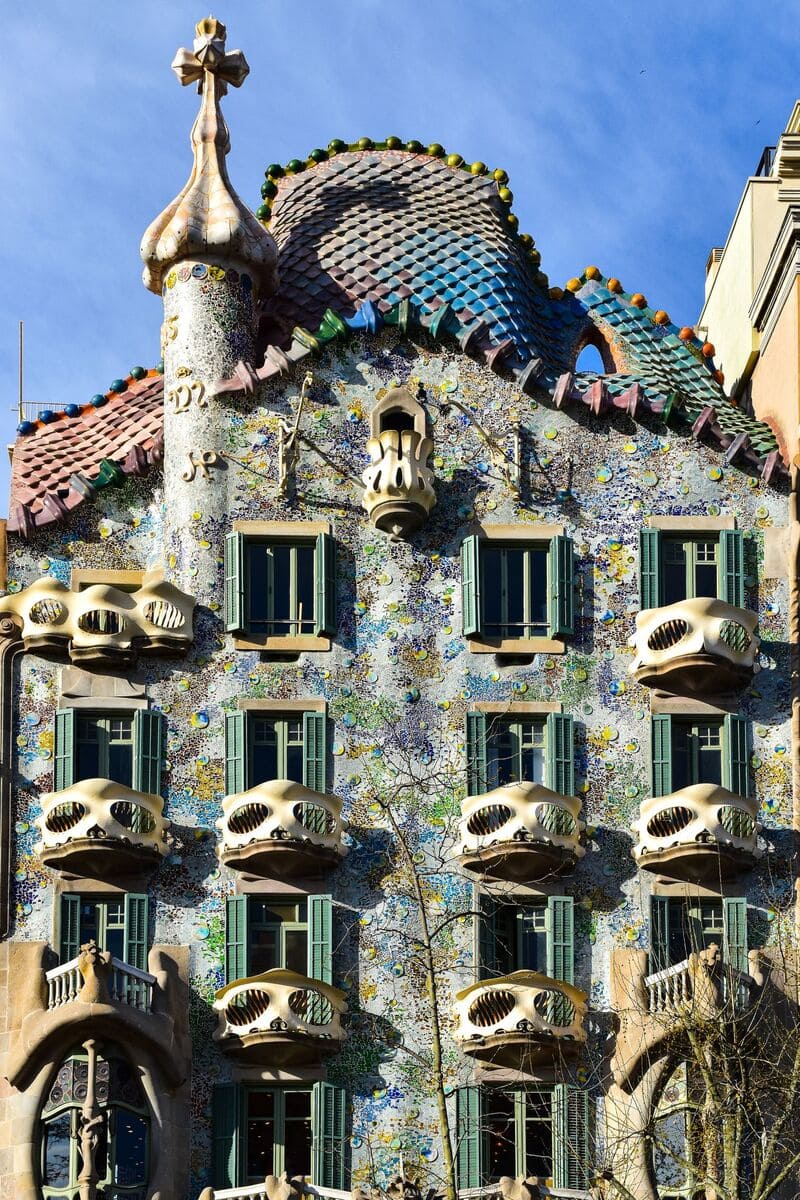
Book the first slot of the day. Casa Batlló is the closer of the two to the old town, about 10 minutes on foot from Plaça de Catalunya.
Late morning, outside: walk down Passeig de Gràcia to Plaça de Catalunya, where La Rambla begins.
La Rambla is a tree-lined pedestrian street, 0.75 miles (1.2 km) long. It was laid out in 1766 along the line of the old medieval walls.
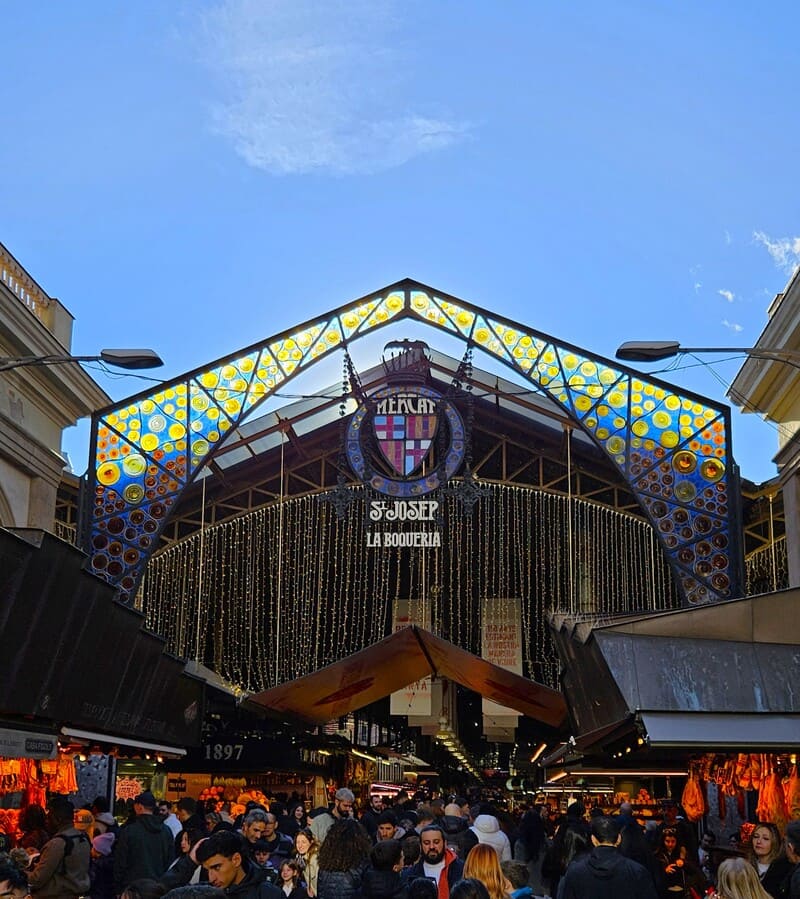
Stop at La Boqueria, the food market on La Rambla. Its official name is Mercat de Sant Josep, and a market has stood on this spot since the 13th century.
Grab a snack at one of the small bars inside and sit for a while.
It’s closed on Sundays, so check your day.
Midday, outside: cut into the Gothic Quarter. Plaça Reial is just off La Rambla. The two lampposts by its fountain were Gaudí’s first public commission.
Wander the lanes. For a coffee stop, try Els Quatre Gats. It opened in 1897 as a meeting place for artists, and a young Picasso had his first exhibition there.
Lunch and a long break in El Born, around Passeig del Born, where small-plate bars and vermouth taverns cluster.
El Born sits just east of the Gothic Quarter. Jaume I metro station (line L4) is about 3 minutes on foot from both Santa Maria del Mar and the Museu Picasso.
Afternoon, inside: Santa Maria del Mar.
It went up between 1329 and 1383. That’s about 54 years, which was fast for a church this size.
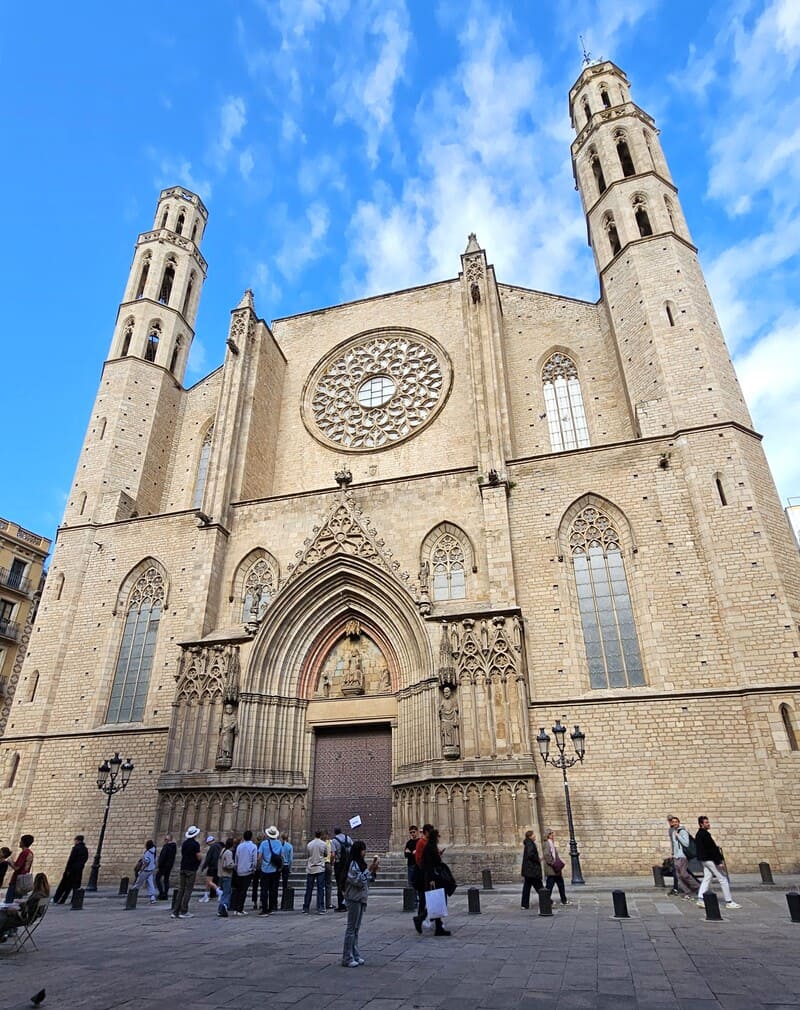
Local parishioners, especially dockworkers, helped build it. The city’s porters spent one day a week carrying stone from the Montjuïc quarries.
In its shadow, Casa Gispert has been roasting nuts since 1851. The paper bags are poked with a pencil tip so the nuts don’t go soft.
Optional, inside: the Museu Picasso on Carrer Montcada. Skip it if you’ve had enough for one day.
Day 3: Park Güell and Montjuïc
Morning, inside: Park Güell. Entry to the Monumental Zone is timed, and only a limited number of people get in each hour.
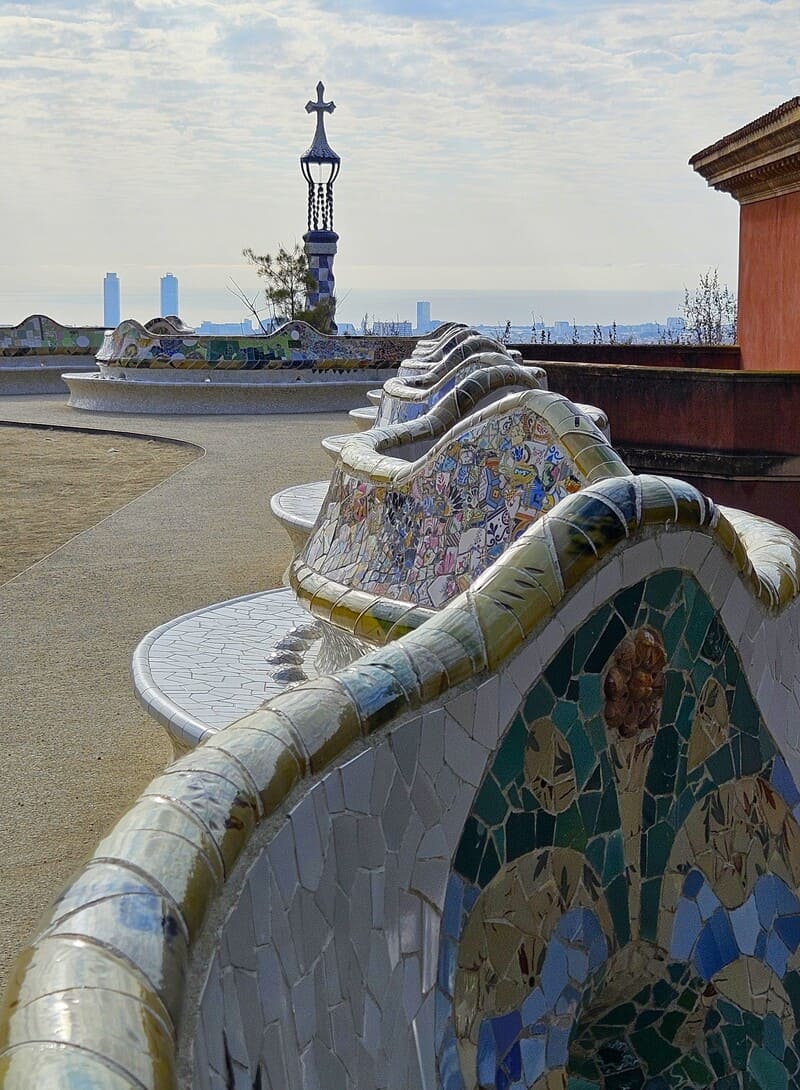
Paths are uneven and there are stairs. Wear good shoes.
Lunch and a break.
Afternoon, mostly outside: Montjuïc.
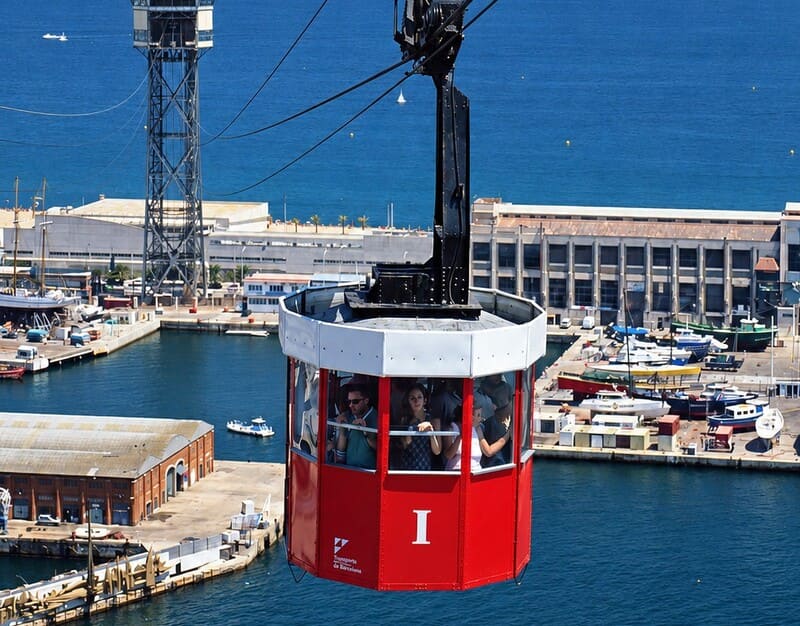
Go up by cable car (the Telefèric de Montjuïc) for the views over the city.
From the Parc Montjuïc stop you can reach the Museu Nacional d’Art de Catalunya (MNAC), the Fundació Joan Miró and Poble Espanyol, an open-air village built for the 1929 International Exposition.
Pick one to go inside, or none. The hill and the views are the point.
What you’ll have to skip
Three days means leaving things out. These are the usual casualties:
- The second Passeig de Gràcia house: Casa Batlló or Casa Milà, whichever you didn’t pick
- Palau Güell: Gaudí’s first important project for Eusebi Güell, close to La Rambla
- Palau de la Música Catalana: the other half of that 1997 UNESCO listing
- Casa Vicens: another Gaudí building on the UNESCO list
- Beach time: Barcelona has about 3 miles (5 km) of beach, and you won’t use much of it
- Any day trip
You can’t do it all in 3 days. You shouldn’t try.
3) If you have 4 days
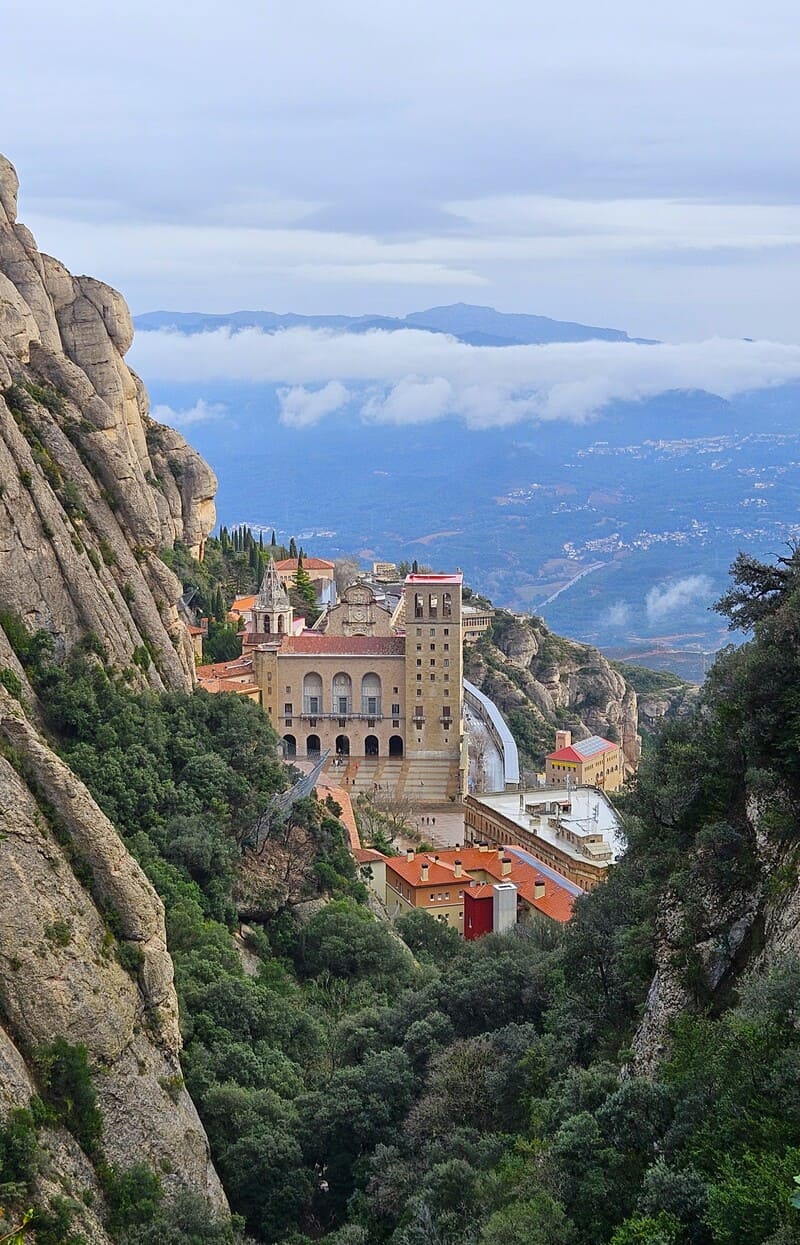
The fourth day is the one that changes the trip.
For me, that day is Montserrat. No contest.
You trade the city for a mountain and a slower pace.
The extra day that changes the trip (Montserrat)
Montserrat means “serrated mountain” in Catalan. One look at the jagged peaks and you’ll see why.
- How to go: the R5 train from Plaça d’Espanya. Count on about 90 minutes door to door with the rack railway.
- Tickets: buy a combined ticket (train plus rack railway or cable car) when you leave Barcelona. The two use different stations, so choose before you go.
- What to see: the abbey, La Moreneta (a 12th-century statue of the Virgin and the patron saint of Catalonia) and, if it’s singing, the Escolania, one of Europe’s oldest boys’ choirs. Check the schedule first.
- Pace: go slow. Lunch, a walk around the grounds, then head down.
4) If you have 5 days or more
Extra days give you options, not obligations.
This is where you can stop ticking boxes and start wandering.
Pick two or three of these, and leave gaps between them.
Coast, Sitges or a slower pace
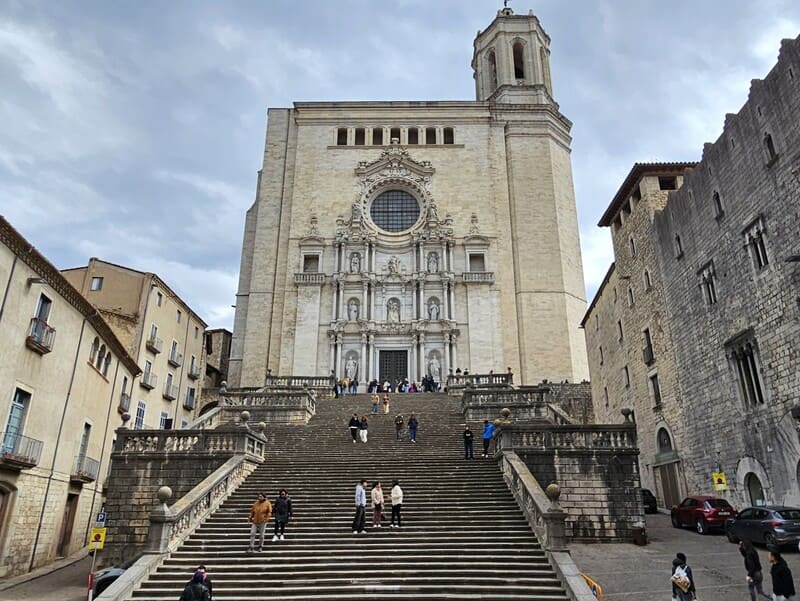
- Girona: about 40 minutes by high-speed train from Barcelona Sants. A cathedral at the top of about 90 steps, one of Europe’s best-preserved Jewish quarters and colorful houses over the Onyar River. Seat reservations are required, so book yours.
- Sitges: a beach town less than an hour away on the R2 Sud train.
- Figueres: home of the Dalí Theatre-Museum, about 55 minutes by high-speed train from Barcelona Sants. Dalí converted the town’s old theatre into the museum himself.
Girona and Figueres can be combined into one long day.
Neighborhoods worth a half day
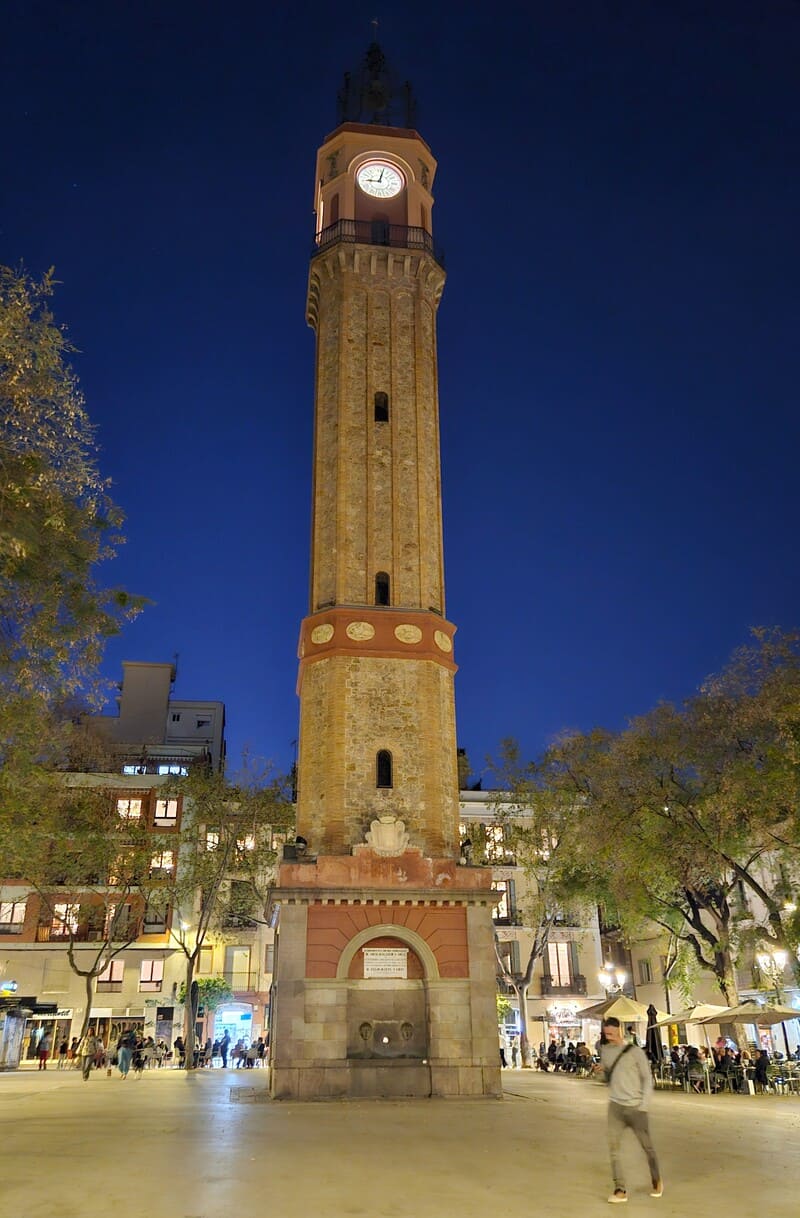
- Gràcia: an independent town until 1897, and it still feels like one. Spend an afternoon on Plaça del Sol and Plaça de la Virreina, where locals linger on the terraces.
- Poble-sec: at the foot of Montjuïc. Carrer de Blai is a pedestrian street of pintxos bars (small bites, often on a slice of bread). Quimet & Quimet, a tiny bodega open since 1914, is around the corner.
- Sant Antoni: go on a Sunday, when stalls around the 1882 iron market sell second-hand books, stamps and comics.
- Poblenou: a former factory district, nicknamed the “Catalan Manchester”. Walk the Rambla del Poblenou down to the beach.
- Barceloneta: a grid of narrow streets built in 1753 for fishermen. Come for seafood and rice dishes.
5) What a single day or two can (and can’t) do
Short stay? Be honest about what fits.
With 1 day, you’re sprinting. Pick one side of the city.
Sagrada Família and a walk along Passeig de Gràcia. Or La Rambla, the Gothic Quarter and El Born. Not both.
With 2 days, you can see Sagrada Família and Park Güell on separate days:
- Day 1: Sagrada Família in the morning (inside), then a slow walk along Passeig de Gràcia
- Day 2: Park Güell in the morning (inside), then La Rambla, the Gothic Quarter and El Born in the afternoon
What gets cut: Montjuïc, Sant Pau, Montserrat and most interiors.
It’s a full plan. Keep the pace rule: one inside stop per half day, and sit down in between.
6) How to choose your length
Three things decide your number: when you go, how much you walk and what you book.
Month
Spring and autumn are the easier months, with milder weather and fewer crowds.
July and August are peak season. They’re also hot and humid.
Park Güell’s Monumental Zone often sells out in those two months.
My advice: in summer, add a day. You’ll slow down in the afternoon heat.
Walking
Park Güell has stairs and uneven paths. Montserrat is a mountain.
If walking is slow for you, add a day instead of cramming.
Put a lighter day after a heavy one.
Build a break into every day: a long lunch, a coffee on a plaça, an hour back at the hotel.
The Montjuïc cable car and the Montserrat rack railway do the climbing for you.
Tickets
Booking decides more than people expect.
- Sagrada Família: tickets are sold online, for a specific time slot. Don’t plan on buying them at the door. The base ticket covers the basilica, and a higher tier adds a tower. Tower places are limited. Book on the official site as soon as your dates are set.
- Park Güell: timed entry to the Monumental Zone, limited by the hour.
- Casa Batlló or Casa Milà: book online. Lines at the door can be long.
- Montserrat: buy a combined ticket (train plus rack railway or cable car) when you leave Barcelona.
Lock in your Sagrada Família slot first. Build everything else around it.
Still undecided? Use this:
- Short on time, want the big names: 3 days
- Want a mountain and a slower day: 4 days
- Traveling in July or August, or walking slowly: add a day
- Want neighborhoods, Girona or Dalí: 5 days or more
Where to go next
Once you’ve picked your number, the next decision is where to sleep. The Montserrat train leaves from Plaça d’Espanya, so your base shapes that fourth day. Start with my guide to where to stay in Barcelona.
And keep a plan B for tired feet or a rainy afternoon. After a heavy Gaudí day, a quiet museum is exactly what you’ll want. These are the ones that get far less attention than they deserve: underrated museums in Barcelona.